Neuroscience and the Philosophy of Human Consciousness
Source:The Hindu ↗
Why It Matters
The fundamental distinction between the brain and the mind is critical for both scientific literacy (relevant to GS3) and ethical reasoning (relevant to GS4). As artificial intelligence models become increasingly sophisticated, understanding the nuances of human consciousness, cognition, and emotional intelligence is essential for framing future technology policies, navigating the ethics of AI, and comprehending the human condition.
Summary
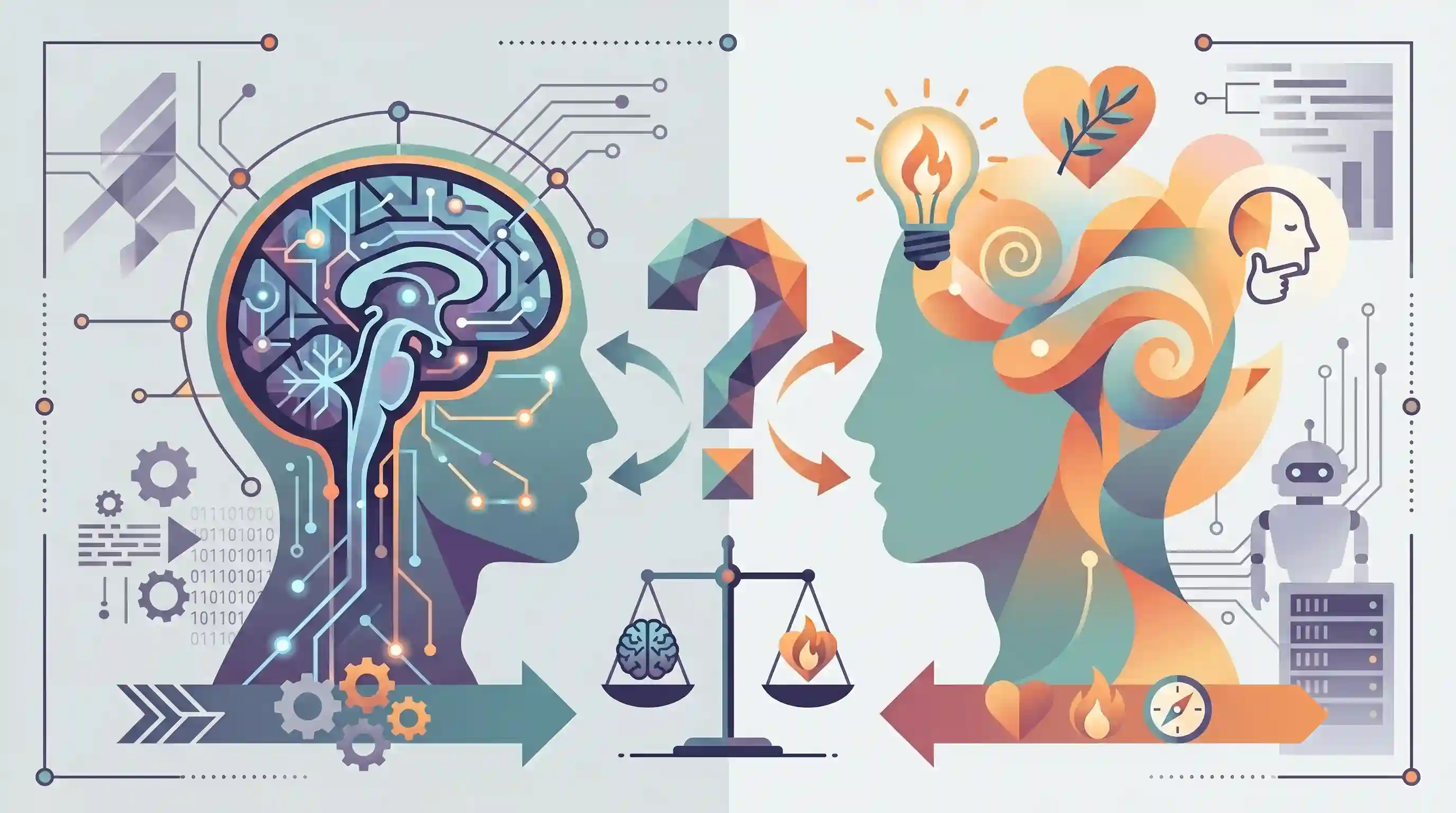
The article delves into the age-old philosophical and scientific debate surrounding the nature of the human mind, consciousness, and its relationship with the physical brain. It explores whether the mind is merely a byproduct of complex neural activities or an independent phenomenon, drawing upon concepts from neuroscience, cognitive psychology, and the philosophy of mind. This discourse is increasingly relevant today, as rapid advancements in brain mapping and artificial intelligence (AI) continuously challenge our fundamental understanding of self-awareness, cognition, and human uniqueness.
Key Points
- Investigates the complex relationship between the physical brain (neural networks) and the subjective experience of the human mind (consciousness).
- Explores scientific approaches such as neuroscience, cognitive science, and brain mapping in attempting to decode the neural correlates of consciousness.
- Addresses the philosophical dimensions of the 'mind-body problem,' debating whether human consciousness can be entirely reduced to physical and chemical processes.
- Discusses the implications of understanding human cognition in the era of Artificial Intelligence, prompting critical questions about machine sentience, ethical governance, and what inherently makes us human.
Prelims Trap
"Advanced AI neural networks inherently possess subjective sentience and emotional intelligence."
UPSC options often blur simulation with reality. Advanced AI can process data and mimic empathy, but fundamentally lacks subjective consciousness, moral agency, and true emotional intelligence.
Static Concepts Connected
What are the core components of Emotional Intelligence (EI)?
- Self-awareness: Recognizing one's own emotions, strengths, weaknesses, and their direct effects on behavior and decisions.
- Self-regulation: Managing disruptive impulses, maintaining integrity, and adapting to changing circumstances without emotional hijacking.
- Empathy: Sensing other people's feelings and perspectives, and taking an active interest in their concerns.
- Social skills: Proficiency in managing relationships, building networks, and navigating social complexities to lead and inspire others.
What are the primary 'Neurorights' proposed to govern neurotechnology?
- Mental Privacy: Protecting brain data from being accessed, extracted, or commodified without explicit and informed consent.
- Cognitive Liberty: The absolute right to self-determination over one's own brain, mental processes, and cognitive functions.
- Psychological Continuity: Protecting a person's foundational identity from unauthorized alteration by brain-computer interfaces (BCIs) or algorithms.
Cross-Topic Patterns
AI Ethics + Moral Agency
The distinction between neural mapping and true consciousness directly feeds into GS4 debates on whether AI can ever navigate a 'crisis of conscience' or handle ethical dilemmas.
Neurotech + Fundamental Rights
Brain-Computer Interfaces (BCIs) are pushing the boundaries of Article 21, expanding the Puttaswamy privacy doctrine into emerging global concepts like 'mental privacy' and 'cognitive liberty'.

Expect a GS3/GS4 crossover question in Mains 2026 contrasting human emotional intelligence with AI's lack of subjective moral sentience.
Linked PYQs · 5
Linked PYQs · 5
- 2023MainsGS3
Introduce the concept of Artificial Intelligence (AI). How does Al help clinical diagnosis? Do you perceive any threat to privacy of the individual in the use of Al in healthcare?
- 2024MainsGS4
The application of Artificial Intelligence as a dependable source of input for administrative rational decision-making is a debatable issue. Critically examine the statement from the ethical point of view.
- 2024MainsGS4
“Ethics encompasses several key dimensions that are crucial in guiding individuals and organizations towards morally responsible behaviour.” Explain the key dimensions of ethics that influence human actions. Discuss how these dimensions shape ethical decision-making in the professional context.
- 2021MainsGS4
In case of crisis of conscience does emotional intelligence help to overcome the same without compromising the ethical or moral stand that you are likely to follow? Critically examine.
- 2020PrelimsGS1
With the present state of development, Artificial Intelligence can effectively do which of the following? 1. Bring down electricity consumption in industrial units 2. Create meaningful short stories and songs 3. Disease diagnosis 4. Text-to-Speech Conversion 5. Wireless transmission of electrical energy Select the correct answer using the code given below:
