Bilateralism versus Multilateralism in India-Pakistan Ties
Source:The Hindu ↗
Why It Matters
Understanding the debate between bilateralism and multilateralism in the context of India-Pakistan relations is crucial for UPSC aspirants. It forms the core of India's neighborhood first policy and dictates how India navigates complex security, diplomatic, and territorial disputes on the global stage.
Summary
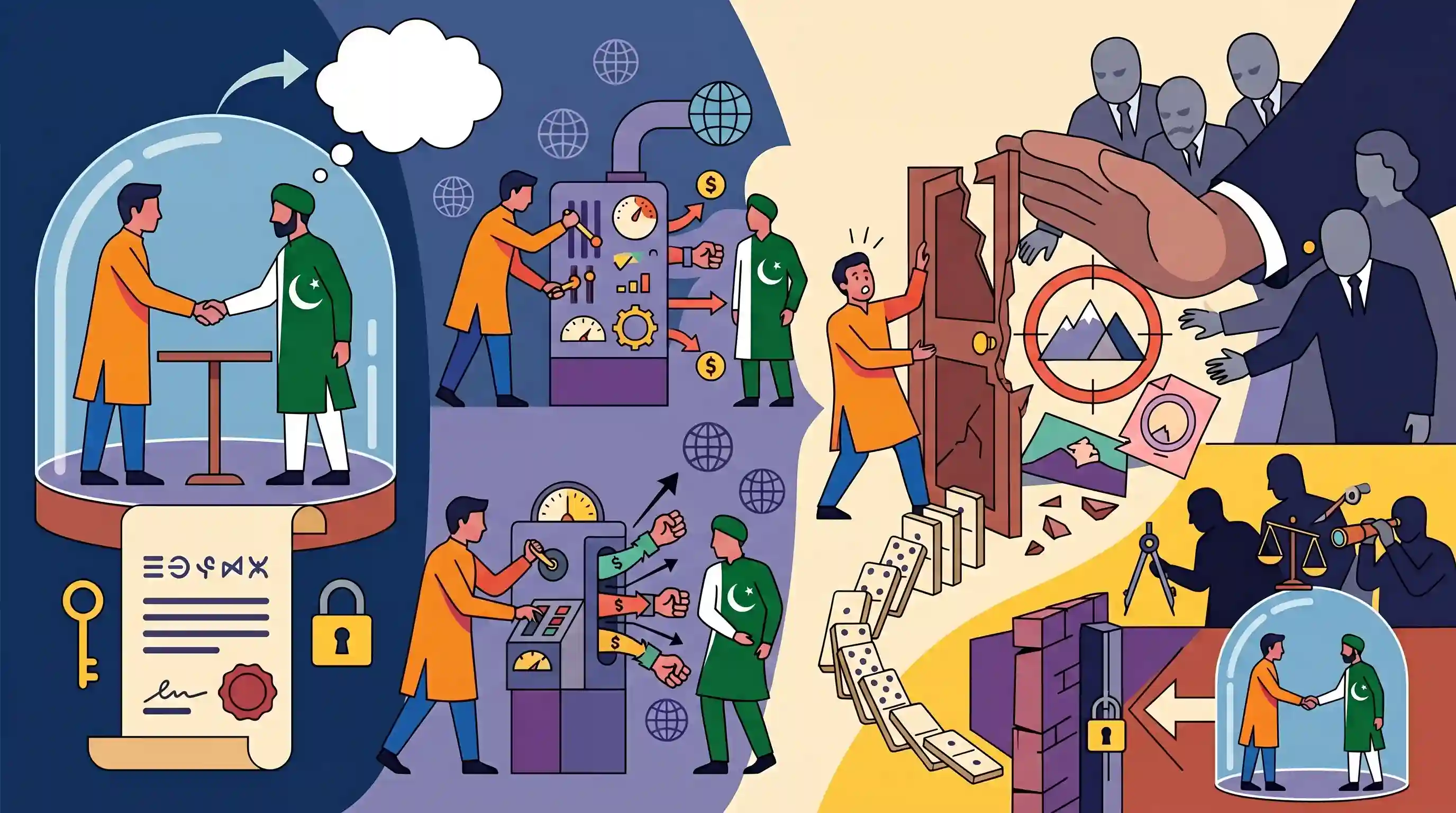
The article analyzes the strategic risks associated with internationalizing India-Pakistan bilateral issues. It highlights India's long-standing diplomatic doctrine, established by the Simla Agreement, which mandates that disputes with Pakistan be resolved strictly bilaterally to preclude any third-party mediation. While leveraging international platforms like the FATF or global arbitration to isolate Pakistan on issues of cross-border terrorism or water sharing may offer short-term tactical gains, it compromises this foundational principle. The author warns that 'going global' creates a hazardous precedent, potentially opening the door for external powers and multilateral organizations to interfere in sensitive sovereign matters, such as the Kashmir dispute. Ultimately, the piece advocates for maintaining a rigid bilateral framework to prevent India-Pakistan friction from becoming a geopolitical tool for foreign entities.
Key Points
- Historical Bilateral Framework: India has strictly maintained, anchored by the Simla Agreement (1972) and Lahore Declaration (1999), that disputes with Pakistan must be resolved bilaterally without third-party mediation.
- The Temptation to Go Global: There have been recent tactical moves and domestic calls to utilize global platforms (such as the FATF for terrorism or international arbitration for water treaties) to apply pressure on Pakistan.
- Hazards of Internationalisation: Elevating these issues to global forums risks undermining India's core doctrine of bilateralism, inadvertently validating Pakistan's consistent push for third-party intervention (especially regarding Kashmir).
- Strategic Vulnerability: Turning bilateral disputes into multilateral agenda items allows external powers to use India-Pakistan friction as leverage, complicating India's broader diplomatic maneuverability and sovereign interests.
Important Terms
Simla Agreement (1972)

A 1972 peace treaty between India and Pakistan following the 1971 war. It established the Line of Control and mandated that all bilateral disputes be resolved through direct, peaceful negotiations without third-party interference.
UPSC context
GS Paper II: International Relations. It is the cornerstone of India's 'bilateralism' policy, frequently tested by Pakistani attempts to internationalize the Kashmir dispute.
Indus Waters Treaty (1960)
A 1960 water-sharing agreement brokered by the World Bank, dividing the Indus system's six rivers between India (Eastern) and Pakistan (Western). It includes a unique three-tier dispute resolution mechanism involving neutral experts.
UPSC context
GS Paper II: India and its neighborhood. It represents a rare instance of successful third-party mediation in the otherwise strictly bilateral India-Pakistan relationship.
Financial Action Task Force (FATF)
An intergovernmental organization established in 1989 to combat money laundering and terrorism financing. It uses 'Grey' and 'Black' lists to pressure nations into complying with international financial security standards.
UPSC context
GS Paper II: Global groupings. India uses this platform to diplomatically isolate Pakistan by highlighting its failure to curb cross-border terror financing.
Lahore Declaration (1999)
A 1999 bilateral agreement aimed at normalizing relations and reducing nuclear risks. Signed by PM Vajpayee and Nawaz Sharif, it reaffirmed the Simla Agreement's commitment to bilateral dialogue for resolving all issues.
UPSC context
GS Paper II: Bilateral relations. It highlights the strategic necessity of nuclear-age diplomacy and the fragility of peace efforts (undermined by the subsequent Kargil War).
Line of Control (LoC)
The de facto border in Jammu and Kashmir established by the 1972 Simla Agreement, replacing the 1948 Ceasefire Line. Both nations committed to respecting it without unilateral alteration.
UPSC context
GS Paper III: Internal Security/Border Management. It is a focal point of military tension and a primary site for cross-border infiltration and ceasefire violations.
SAARC
An eight-member regional intergovernmental organization established in 1985. Its charter explicitly prohibits the discussion of bilateral and contentious issues to maintain focus on regional economic and social cooperation.
UPSC context
GS Paper II: Regional groupings. India-Pakistan friction is the primary cause for the organization's stagnation, leading India to prioritize alternate groupings like BIMSTEC.
Prelims Trap
"The Simla Agreement allows for UN or third-party mediation if bilateral talks fail."
The 1972 Simla Agreement strictly binds India and Pakistan to resolve differences exclusively through bilateral negotiations, deliberately removing the UN and third parties from the dispute resolution process.
Static Concepts Connected
What is the 3-tier dispute resolution mechanism under the Indus Waters Treaty (1960)?
- First Tier: The Permanent Indus Commission (PIC) meets to resolve initial 'questions' bilaterally between the two nations.
- Second Tier: A Neutral Expert is appointed (often via the World Bank) to resolve technical 'differences' (e.g., dam design parameters).
- Third Tier: A Court of Arbitration is established (like at the PCA) to resolve fundamental 'disputes' regarding legal interpretation of the treaty.
What were the core tenets established by the Simla Agreement (1972)?
- Strict Bilateralism: Commitment to settle differences peacefully through exclusive bilateral negotiations, permanently precluding any third-party mediation.
- Line of Control: Conversion of the December 1971 ceasefire line into the formal Line of Control (LoC), with a mutual pledge to respect it.
- Non-use of Force: Mutual commitment to refrain from the threat or use of force against each other's territorial integrity and political independence.
Cross-Topic Patterns
FATF Strategy vs. Bilateral Doctrine
Leveraging FATF for cross-border terror achieves tactical internal security goals, but risks inviting multilateral scrutiny that inadvertently conflicts with India's long-standing bilateral diplomatic doctrine.
Renewables, Hydropower, and IWT Arbitration
India's push for run-of-the-river hydro-projects (Kishenganga, Ratle) links its clean energy transition to transboundary water sharing, triggering the exact international arbitration risks discussed in the article.

Expect a 2026 Mains question on the dichotomy of India leveraging global forums for terror (FATF) while resisting them for border disputes.
Linked PYQs · 3
Linked PYQs · 3
- 2015MainsGS2
Terrorist activities and mutual distrust have clouded India-Pakistan relations. To what extent the use of soft power like sports and cultural exchanges could help generate goodwill between the two countries? Discuss with suitable examples.
- 2016MainsGS2
Increasing cross-border terrorist attacks in India and growing interference in the internal affairs of several member-states by Pakistan are not conducive for the future of SAARC (South Asian Association for Regional Cooperation)." Explain with suitable examples.
- 2012MainsGS2
The situation today is far different to that prevalent fifty years back when the Indus Water Treaty was signed." Highlight the complexity of the current challenges on both sides of the border in this regard. Do you think that a review of the Treaty is in India's best interests?
