NHRC Open Hearings and Human Rights Grievance Redressal Mechanism
Source:PIB ↗
Why It Matters
Highlights the proactive outreach and decentralized functioning of statutory human rights bodies in India, aligning directly with syllabus topics concerning statutory bodies, accountability, and the protection of vulnerable groups.
Summary
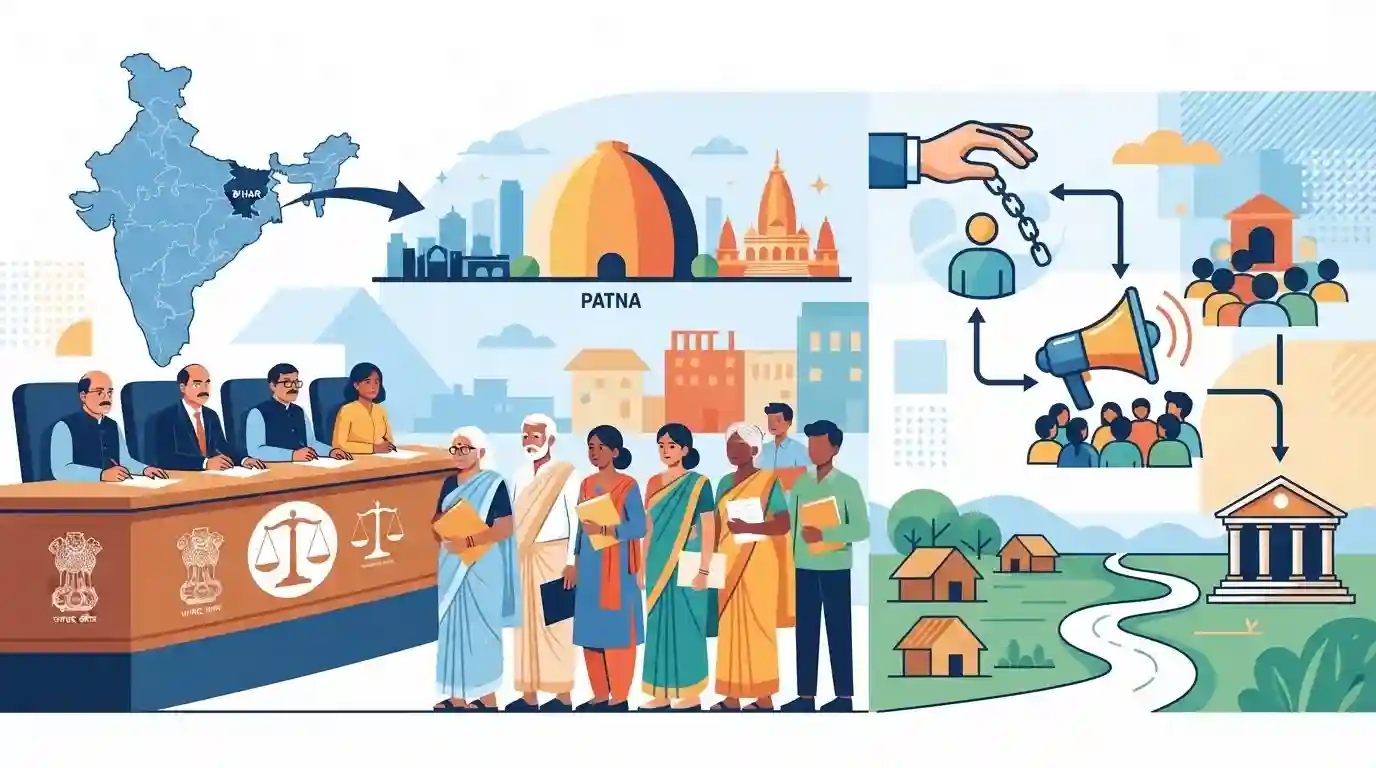
The National Human Rights Commission (NHRC) of India is organizing an 'Open Hearing and Camp Sitting' in Patna, Bihar, to address cases of alleged human rights violations. This outreach initiative aims to provide accessible justice and make human rights mechanisms more responsive to local populations.
Key Points
- NHRC India is holding an Open Hearing and Camp Sitting in Patna on 7th-8th October 2026.
- The initiative aims to hear cases of alleged human rights violations in Bihar directly from complainants and victims.
- It provides a decentralized platform for grievance redressal and creates awareness about human rights at the grassroots level.
Important Terms
National Human Rights Commission (NHRC)

An apex statutory body established under the Protection of Human Rights Act, 1993, responsible for the promotion and protection of human rights in India.
UPSC context
GS Paper II (Polity & Governance) - Statutory bodies, constitutional/regulatory bodies, and their roles and functions.
Protection of Human Rights Act
The 1993 legislative enactment that provides for the creation of the National Human Rights Commission, State Human Rights Commissions, and Human Rights Courts to protect human rights.
UPSC context
GS Paper II (Polity & Governance) - Rights and statutory frameworks protecting vulnerable sections.
Prelims Trap
The NHRC has the power to issue binding directives and enforce punitive action against perpetrators of human rights violations.
Aspirants often assume NHRC orders are binding on governments or courts because it possesses civil court powers. In reality, its recommendations are purely advisory.
Static Concepts Connected
What are the key structural features and limitations of the National Human Rights Commission (NHRC)?
- Legal Origin: Statutory body established under the Protection of Human Rights Act, 1993, amended in 2019 to widen its composition.
- Composition: Headed by a former Chief Justice of India or Supreme Court Judge; includes members with expertise in human rights.
- Powers & Nature: Empowered with civil court powers for gathering evidence, but recommendations are purely advisory and non-binding.
- Jurisdiction Limit: Cannot investigate any matter pending before a state human rights commission or any other statutory commission.
Cross-Topic Patterns
NHRC Outreaches + Grassroots Access to Justice
Decentralised outreach mechanisms like NHRC camp sittings parallel Lok Adalats and legal aid clinics under the Legal Services Authorities Act, 1987, bridging grassroots justice gaps.
Statutory Commissions + Atrocities Act Enforcement
While NHRC handles civil rights, the inclusion of vulnerable sections links directly to Scheduled Castes and Scheduled Tribes (Prevention of Atrocities) Act enforcement.

NHRC's recommendatory powers and civil court nature are a perennial prelims trap; expect a statement-based question testing its mandates.
Linked PYQs · 1
Linked PYQs · 1
- 2021MainsGS2
Though the Human Rights Commissions have contributed immensely to the protection of human rights in India, yet they have failed to assert themselves against the mighty and powerful. Analyzing their structural and practical limitations, suggest remedial measures.
