India Joins Partners for Multilateralism Initiative at UN
Source:The Hindu ↗
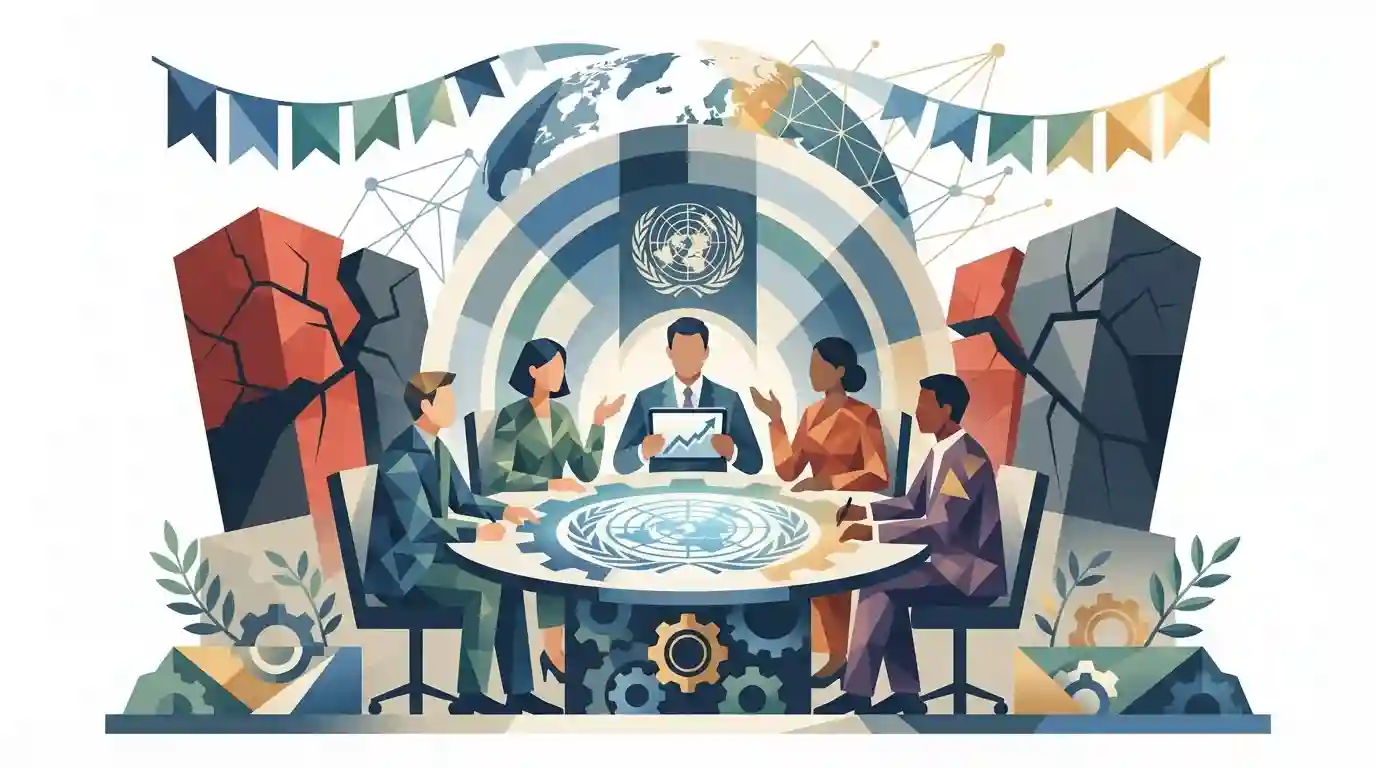
Why It Matters
The article highlights India's strategic engagement with middle powers and non-superpower coalitions at the UN to champion reformed multilateralism and counter rising great power competition, aligning directly with India's broader foreign policy objectives.
Summary
India is participating in the inaugural session of the 'Partners for Multilateralism' initiative at the United Nations, a new platform comprising non-superpower countries designed to support and reform multilateral institutions amid rising geopolitical polarization and superpower rivalry.
Key Points
- India is set to participate in the inaugural session of 'Partners for Multilateralism', a new grouping of non-superpower nations at the United Nations.
- The grouping aims to champion reformed multilateralism, counter bloc-politics, and amplify the voice of the Global South and middle powers in global governance.
- The initiative reflects India's consistent diplomatic push for a multipolar world order and democratisation of global institutions like the UN Security Council.
Important Terms
Partners for Multilateralism

A newly formed diplomatic platform comprising non-superpower countries designed to support, strengthen, and reform UN-based multilateral institutions amid growing geopolitical polarization and superpower rivalry.
UPSC context
UPSC GS Paper 2 (International Relations): Essential for questions on global groupings, middle-power coalitions, and United Nations reforms.
United Nations
An international organization founded in 1945 to maintain international peace and security, develop friendly relations among nations, and promote global cooperation on economic, social, and cultural issues.
UPSC context
UPSC GS Paper 2 (International Relations): Core topic covering important international institutions, their mandates, reform needs, and India's multilateral engagement.
Static Concepts Connected
What are the key groupings and frameworks advocating for UN Security Council reform?
- G4 Nations: Comprises India, Japan, Germany, and Brazil, mutually supporting each other's bids for permanent seats.
- Uniting for Consensus: A coalition of ~40 countries (including Pakistan, Italy, Canada) opposing the expansion of permanent UNSC seats.
- Ezulwini Consensus: Represents 54 African nations demanding at least two permanent and five non-permanent seats with veto power.
Cross-Topic Patterns
UN Reforms + Middle Power Minilaterals
India's push for middle-power coalitions at the UN mirrors its active role in plurilateral minilaterals like the Quad and BRICS.
Global South Diplomacy + UNSC Reform
The 'Partners for Multilateralism' initiative directly intersects with India's long-standing campaign for UNSC restructuring under the G4 framework.

New minilateral UN groupings like 'Partners for Multilateralism' will likely feature in matching lists with India's diplomatic initiatives.
Linked PYQs · 1
Linked PYQs · 1
- 2025MainsGS2
"The reform process in the United Nations remains unresolved, because of the delicate imbalance of East and West and entanglement of the USA vs. Russo-Chinese alliance.” Examine and critically evaluate the East-West policy confrontations in this regard.
