BMC to revive decentralized waste-to-energy plant in Mumbai
Source:Indian Express ↗
Why It Matters
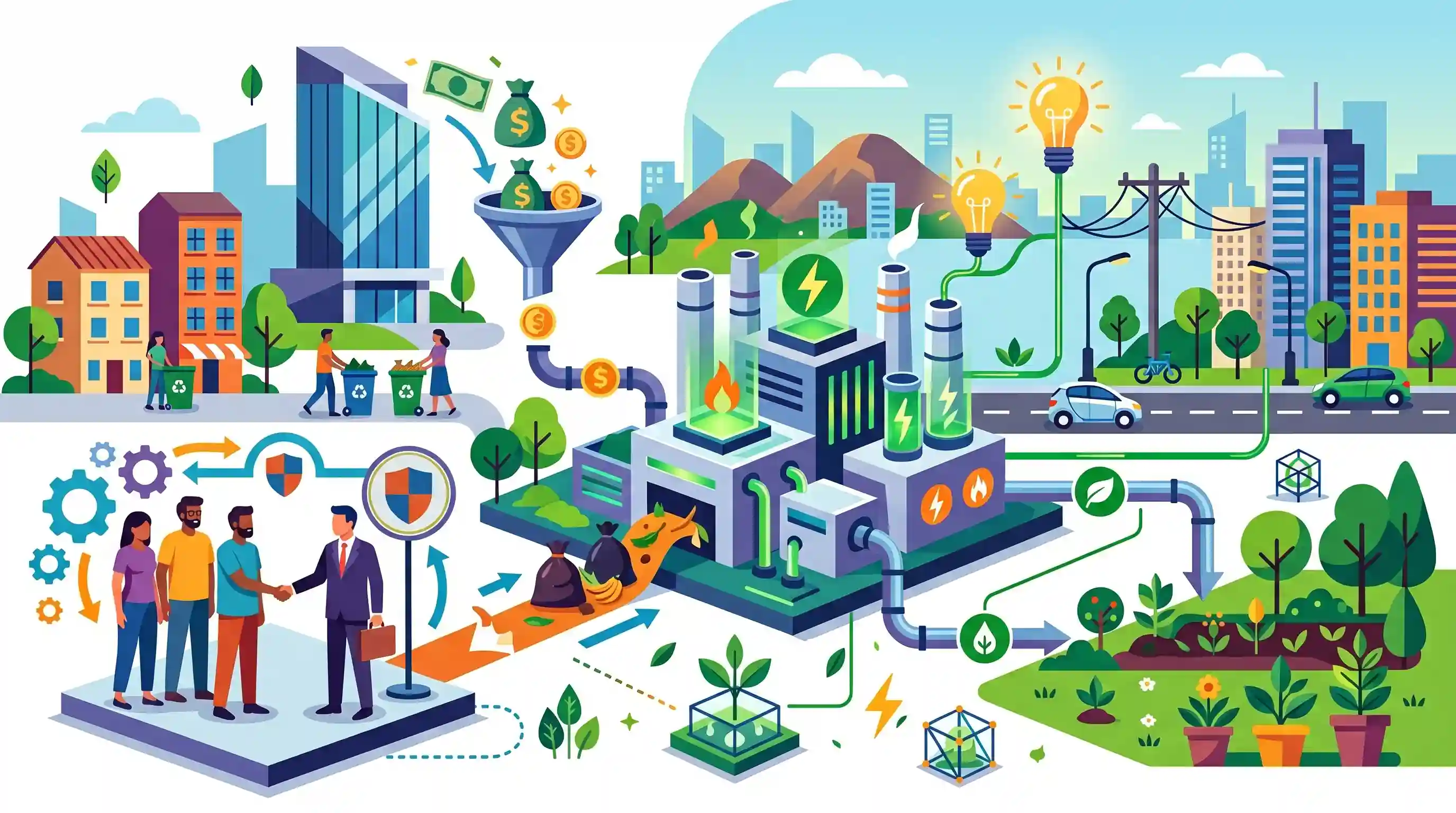
The initiative provides a practical case study of decentralized, citizen-led solid waste management and energy generation, directly relevant to topics on environmental conservation, urban infrastructure, and alternative models of public service delivery.
Summary
Mumbai's pioneering waste-to-energy plant at Pali Hill is set to be revived by the BMC after becoming defunct in 2025. Originally spearheaded by the Pali Hill Residents Association in 2018, the decentralized facility processed daily organic waste into electricity and manure. Officials are now looking to leverage Corporate Social Responsibility (CSR) funds to restart and potentially modernize the plant, showcasing a collaborative model of civic infrastructure management between local government and civil society.
Key Points
- Mumbai's first waste-to-energy (WTE) plant at Pali Hill, initially launched in 2018 as a citizen-driven initiative, is slated for revival by the Brihanmumbai Municipal Corporation (BMC).
- The decentralized plant formerly processed up to 720 kg of organic waste daily, converting it into manure and electricity that illuminated 69 local streetlights.
- After becoming defunct in 2025 due to maintenance failures by the operator, the BMC is exploring funding the plant's revival through Corporate Social Responsibility (CSR) schemes.
- Local leaders have advocated for the modernization and capacity expansion of the facility to better manage solid waste for the area's 4,000 residents in compliance with SWM rules.
Important Terms
Solid Waste Management (SWM) Rules, 2016

Regulatory framework issued by MoEF&CC mandating source segregation of waste (wet, dry, hazardous) and defining the responsibilities of generators and local bodies to promote scientific disposal.
UPSC context
GS-III (Environment/Infrastructure): Tests knowledge of urban sustainability regulations and mechanisms for achieving a circular economy.
Waste-to-Energy (WtE)
A technology-driven process (such as biomethanation or incineration) that converts organic or non-recyclable waste into usable forms of energy, including electricity, heat, or biogas.
UPSC context
GS-III (S&T/Environment): Relevant for clean energy solutions, urban waste management, and climate change mitigation strategies.
Corporate Social Responsibility (CSR)
A statutory mandate under Section 135 of the Companies Act, 2013, requiring companies meeting specific financial thresholds to spend 2% of their average net profits on social/environmental causes.
UPSC context
GS-II (Governance/Ethics): Focuses on corporate participation in national development and the legal framework for business ethics.
Brihanmumbai Municipal Corporation (BMC)
The Urban Local Body (ULB) governing Mumbai; established in 1888, it is India’s wealthiest municipal corporation responsible for urban infrastructure, public health, and sanitation.
UPSC context
GS-II (Governance): Acts as a case study for the administrative structure, financial powers, and challenges of Urban Local Bodies.
Pali Hill Residents Association (PHRA)
A community-based organization in Mumbai that exemplifies the role of civil society in participatory governance and decentralized infrastructure management.
UPSC context
GS-II (Governance): Tests the importance of citizen participation and civil society organizations (CSOs) in urban service delivery.
Prelims Trap
Under SWM Rules 2016, Urban Local Bodies hold the sole mandate and responsibility for processing organic municipal waste.
The rules explicitly define 'bulk waste generators' (including large RWAs and gated communities) and mandate them to segregate and process their biodegradable waste in-situ.
Static Concepts Connected
What are the mandates for Bulk Waste Generators under SWM Rules, 2016?
- In-situ processing: RWAs, hotels, and institutions must process, treat, and dispose of biodegradable waste on-site through composting or bio-methanation.
- Source segregation: Must segregate waste at source into three streams: bio-degradable, non-biodegradable, and domestic hazardous waste.
- Authorized handover: Any residual dry waste must be handed over to waste collectors authorized by the local municipal body.
How are CSR funds regulated under the Companies Act, 2013?
- Schedule VII scope: Schedule VII permits spending on environmental sustainability, ecological balance, and contributions to the Swachh Bharat Kosh.
- Local preference: Companies are legally encouraged to give preference to the local area and areas around where they operate.
- Exclusion criteria: Funds cannot be used for regular business activities or initiatives that exclusively benefit the company's employees.
Cross-Topic Patterns
RWAs as infrastructure co-managers
Shifting from grievance-redressal to active governance, Resident Welfare Associations are actualizing the 74th Amendment's participatory mandate by directly operating decentralized green infrastructure.
CSR bridging ULB funding deficits
As Urban Local Bodies struggle to raise funds via municipal bonds or taxes, CSR acts as a crucial alternative financing mechanism for localized climate-resilient infrastructure.

Expect a GS2/GS3 crossover question asking how CSR and civil society (RWAs) can solve the financial and operational crunches of ULBs.
Linked PYQs · 3
Linked PYQs · 3
- 2018MainsGS3
What are the impediments in disposing the huge quantities of discarded solid wastes which are continuously being generated? How do we remove safely the toxic wastes that have been accumulating in our habitable environment?
- 2024PrelimsGS1
Consider the following: 1. Battery storage 2. Biomass generators 3. Fuel cells 4. Rooftop solar photovoltaic units How many of the above are considered "Distributed Energy Resources"?
- 2021MainsGS2
Can Civil Society and Non-Governmental Organizations present an alternative model of public service delivery to benefit the common citizen? Discuss the challenges of this alternative model.
