Kombucha Probiotics and Gut Microbiome in Obesity Management
Source:The Hindu ↗
Why It Matters
The human microbiome and probiotics are recurring topics in UPSC Prelims (e.g., 2008, 2022). Understanding how functional foods like kombucha can address metabolic disorders such as obesity provides essential S&T knowledge regarding human health, nutrition, and disease management.
Summary
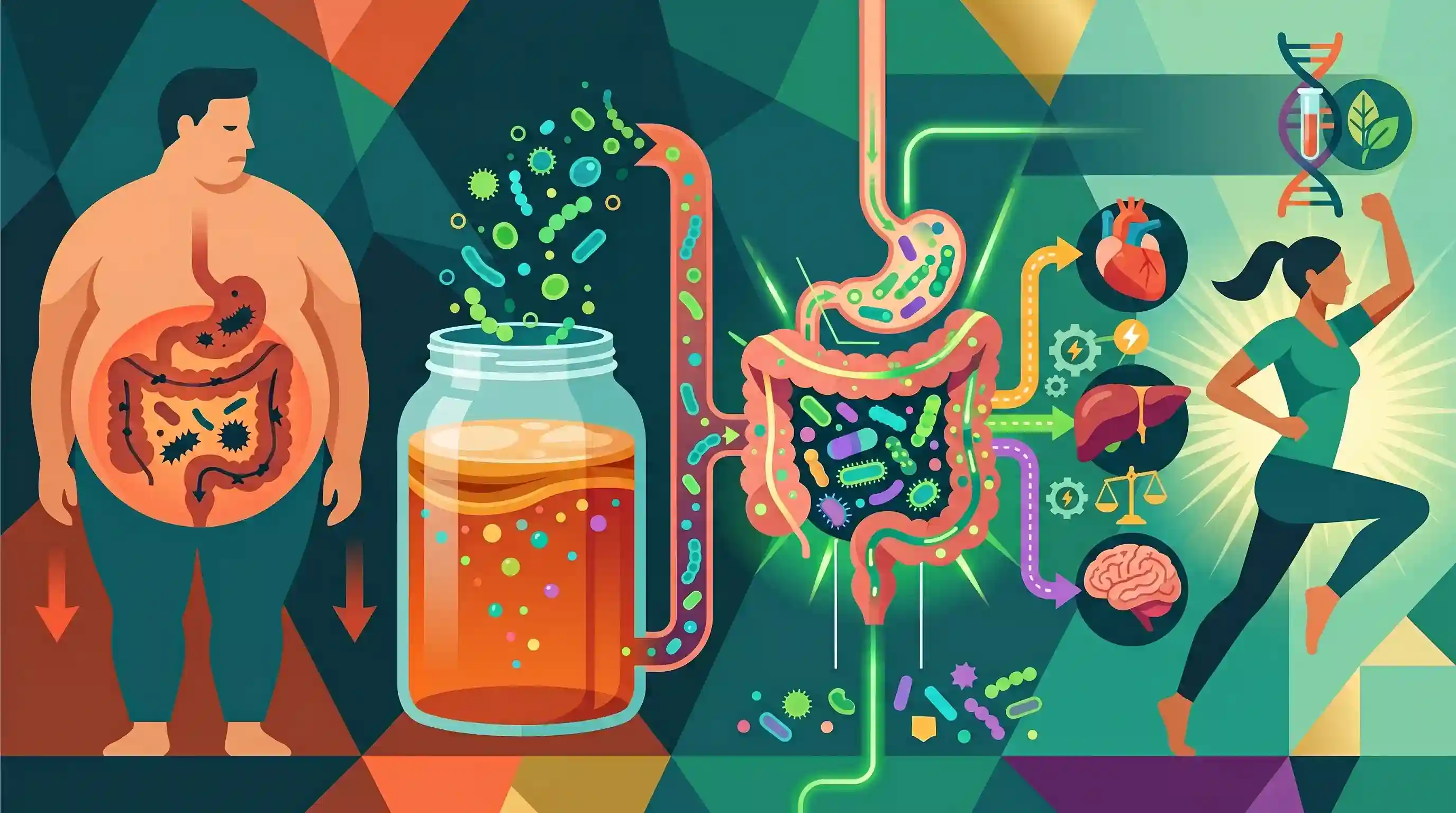
A recent study suggests that kombucha, a fermented tea rich in probiotics, can effectively rebalance the gut ecosystem, particularly in people with obesity. By enhancing microbial diversity and promoting beneficial bacteria, kombucha may help improve metabolic health and mitigate the effects of lifestyle-related metabolic disorders, emphasizing the critical role of gut flora and fermented foods in human well-being.
Key Points
- Kombucha, a popular fermented tea, has been shown to help rebalance the gut microbiome.
- It contains probiotics, yeast, and beneficial microbes that restore microbial diversity in the digestive system.
- The study focuses on its positive effects on individuals with obesity, where it may improve metabolic health and alter gut flora.
- Highlights the therapeutic potential of fermented dietary interventions in managing lifestyle diseases and maintaining a healthy gut ecosystem.
Prelims Trap
Probiotics consist exclusively of beneficial bacteria and are naturally found only in dairy-based foods.
Probiotics include both bacteria and yeasts (fungi). Additionally, they are abundant in non-dairy fermented foods like kombucha and kimchi, not just yogurt.
Static Concepts Connected
What is the difference between Probiotics, Prebiotics, and Synbiotics?
- Probiotics: Live beneficial microorganisms (including bacteria and yeasts) that provide health benefits when consumed in adequate amounts.
- Prebiotics: Non-digestible dietary fibers (like inulin) that pass undigested into the colon to act as food for beneficial gut microbes.
- Synbiotics: Products or supplements that contain a combination of both probiotics and prebiotics functioning synergistically to improve gut health.
How does the gut microbiome influence human metabolic health?
- Digestion & Energy: Microbes ferment complex, indigestible carbohydrates into short-chain fatty acids (SCFAs), which provide energy and regulate metabolism.
- Immunity: Beneficial flora modulate immune responses and maintain the integrity of the intestinal mucosal barrier, preventing pathogen entry.
- Dysbiosis effects: An imbalance in microbial diversity triggers chronic low-grade inflammation, strongly linked to obesity, insulin resistance, and type-2 diabetes.
Cross-Topic Patterns
Gut Microbiome & NCD burden
The link between gut dysbiosis and obesity connects biotechnology directly to India's rising burden of metabolic syndrome and NCDs, a key public health challenge.
AMR (Antimicrobial Resistance) & Gut Flora
Overuse of broad-spectrum antibiotics destroys beneficial gut flora. Probiotics are increasingly studied as adjunct therapies to restore microbial diversity post-antibiotic treatment.

Expect a multi-statement question distinguishing probiotics, prebiotics, and postbiotics, alongside their non-dairy dietary sources.
Linked PYQs · 3
Linked PYQs · 3
- 2022PrelimsGS1
Consider the following statements in respect of probiotics : 1. Probiotics are made of both bacteria and yeast. 2. The organisms in probiotics are found in foods we ingest but they do not naturally occur in our gut. 3. Probiotics help in the digestion of milk sugars. Which of the statements given above is/are correct?
- 2008PrelimsGS1
Consider the following statements about probiotic food: 1. Probiotic food contains live bacteria which are considered beneficial to humans. 2. Probiotic food helps in maintaining gut flora. Which of the statements given above is/are correct?
- 2023PrelimsGS1
Consider the following statements: 1. Some microorganisms can grow in environments with temperature above the boiling point of water. 2. Some microorganisms can grow in environments with temperature below the freezing point of water. 3. Some microorganisms can grow in highly acidic environment with a pH below 3. How many of the above statements are correct?
