Early Socialization and Gender Sensitization in Parenting
Source:Indian Express ↗
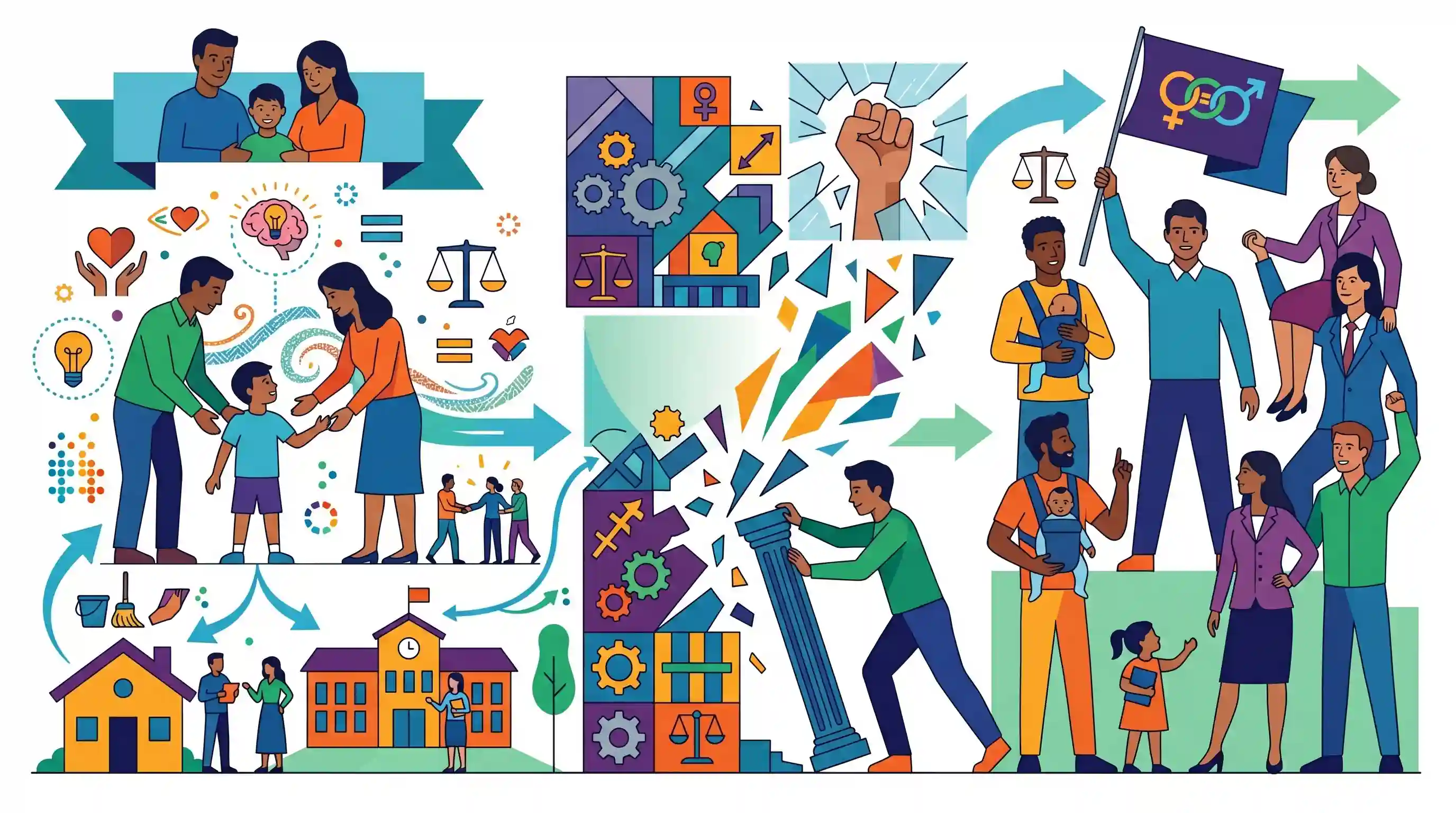
Why It Matters
Issues of gender bias and discrimination are highly relevant to both GS1 (Society) and GS4 (Ethics). The article provides a nuanced perspective on how unconscious patriarchal attitudes are formed and the necessary shifts in parenting and socialization to cultivate egalitarian values in citizens.
Summary
The article discusses the critical role of early socialization in shaping the attitudes of young boys regarding gender. It argues against the traditional, defensive approach to parenting boys—whether attempting to protect the world from their potential toxic masculinity or shielding them from an increasingly egalitarian society. Instead, the focus should be on proactively inculcating empathy, emotional intelligence, and egalitarian values within the family unit. By dismantling patriarchal conditioning at its root, society can foster a generation of men who naturally champion gender equality, addressing systemic gender bias and discrimination from the ground up.
Key Points
- The socialization and conditioning of boys by family and society often perpetuate unconscious gender biases and patriarchal values.
- Raising boys should transcend the defensive paradigm of shielding society from their potential toxic masculinity.
- True gender equity demands nurturing boys with emotional intelligence, empathy, and egalitarian ideals from a young age.
- The family unit plays a foundational role in attitude formation, essential for dismantling systemic gender discrimination and fostering a modern democratic society.
Static Concepts Connected
What are the primary agents of value inculcation and socialization?
- Family: Acts as the primary agent through early childhood conditioning; sets foundational gender roles and emotional baselines.
- Educational Institutions: A secondary agent where peer interactions and institutional curriculum either reinforce patriarchal stereotypes or introduce egalitarian ideals.
- Society & Media: Amplifies cultural scripts on acceptable "masculinity" or provides alternative progressive role models through broader societal interactions.
How does Emotional Intelligence (EI) help dismantle patriarchal attitudes?
- Self-awareness: Helps individuals recognize, evaluate, and regulate their own internalized biases and toxic emotional responses like aggression.
- Empathy: Cultivates the ability to understand and share the lived realities, vulnerabilities, and structural struggles of marginalized genders.
- Relationship Management: Shifts interpersonal dynamics away from traditional dominance and control toward collaboration, equity, and mutual respect.
Cross-Topic Patterns
Care Economy & Unpaid Labor
Socializing boys to share domestic chores links directly to easing the unpaid care economy burden on women, a frequent GS3 inclusive growth theme.
Attitude Change & Persuasion (GS4)
Dismantling toxic masculinity serves as a practical application of 'Attitude Change', requiring affective (empathy) and cognitive interventions to reshape societal norms.

Expect a GS4 case study or GS1 question linking male socialization to the persistence of the 'care economy' burden and systemic violence.
Linked PYQs · 2
Linked PYQs · 2
- 2016MainsGS4
Our attitudes towards life, work, other people and society are generally shaped unconsciously by the family and the social surroundings in which we grow up. Some of these unconsciously acquired attitudes and values are often undesirable in the citizens of a modern democratic and egalitarian society. Discuss such undesirable values prevalent in today's educated Indians.
- 2024MainsGS1
Distinguish between gender equality, gender equity and women's empowerment. Why is it important to take gender concerns into account in programme design and implementation?
