Cardiovascular Health Risks from Microplastics Contamination
Source:Indian Express ↗
Why It Matters
The detection of microplastics in critical human organs highlights the intersection of environmental degradation and public health, an area frequently tested by UPSC. It emphasizes the need for holistic policy approaches to waste management and health infrastructure.
Summary
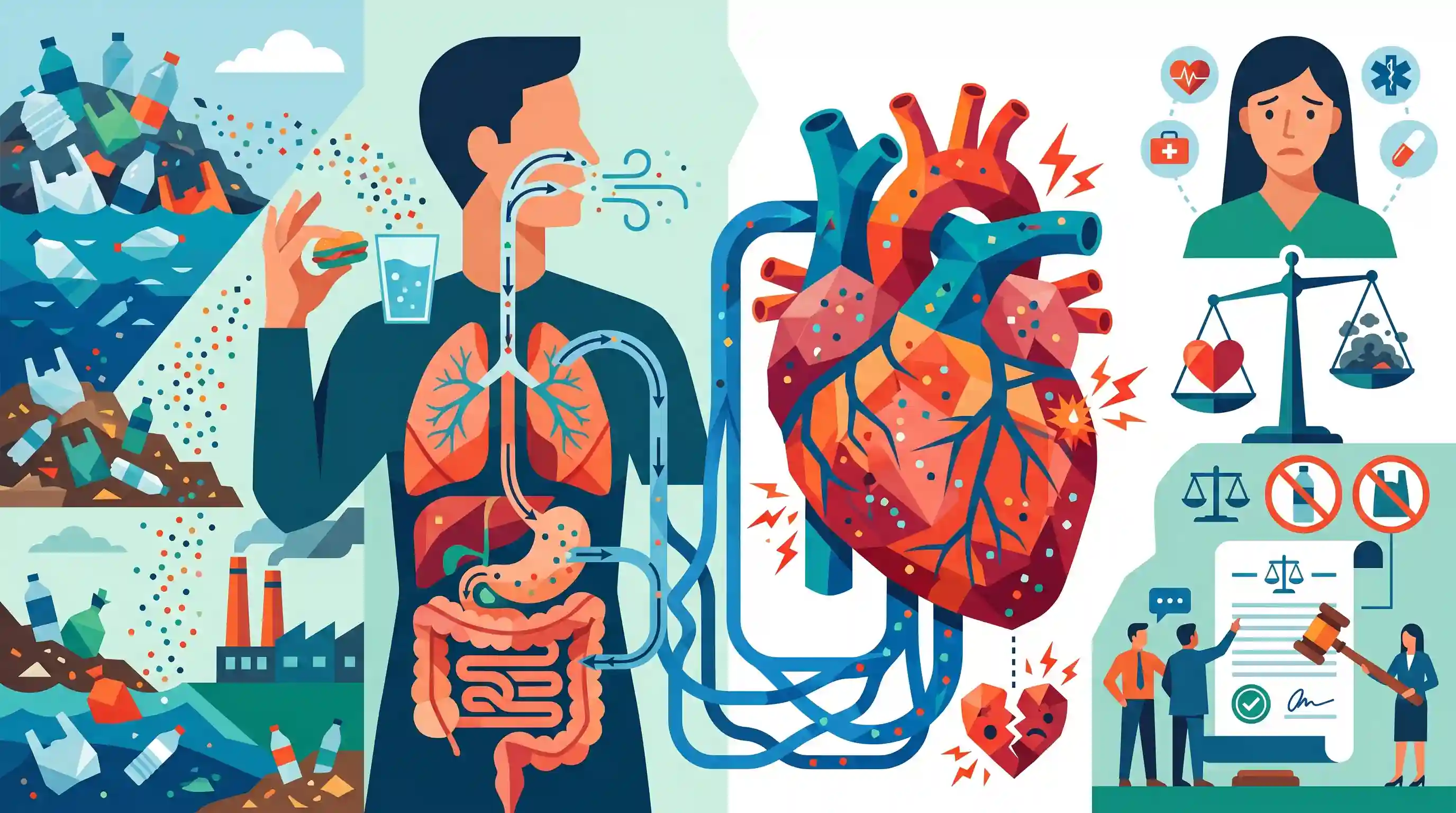
Recent scientific studies have revealed the alarming presence of microplastics and nanoplastics embedded directly in human heart tissues, linking widespread plastic pollution to severe cardiovascular diseases. By entering the body through ingestion or inhalation, these tiny particles cross biological barriers into the bloodstream, triggering inflammation, oxidative stress, and cellular damage in the heart. This discovery shifts the narrative of plastic pollution from an ecological issue to a pressing public health crisis, demanding urgent policy interventions to reduce single-use plastics and regulate industrial pollution.
Key Points
- Microplastics (less than 5mm) and nanoplastics (less than 1 micrometer) have been increasingly detected in human organs, including cardiovascular tissues.
- The ingestion and inhalation of plastics like polyethylene terephthalate (PET) and polyvinyl chloride (PVC) allow them to cross biological barriers and enter the bloodstream.
- Presence of these plastic particles in the heart triggers localized inflammation, oxidative stress, and potential cellular damage, exacerbating cardiovascular diseases.
- The accumulation can increase the risk of severe health events such as heart attacks, strokes, and atherosclerosis.
- The findings underscore the urgent need to address plastic pollution not merely as an environmental or ecological hazard, but as a direct threat to human public health.
Prelims Trap
"Microplastics and nanoplastics are largely confined to the digestive tract and cannot cross the blood-brain barrier."
UPSC often tests biological boundaries. Unlike larger microplastics, nanoplastics (<1 micrometer) are small enough to cross critical membranes, including the blood-brain and placental barriers.
Static Concepts Connected
What is the difference between primary and secondary microplastics?
- Primary microplastics: Deliberately manufactured to be small, such as microbeads in cosmetics, facial cleansers, and microfibers shedding from synthetic clothing.
- Secondary microplastics: Formed by the environmental fragmentation of larger plastic debris (e.g., PET bottles, fishing nets) through UV radiation and mechanical weathering.
How is Extended Producer Responsibility (EPR) framed in India's Plastic Waste Management Rules?
- Core Obligation: Producers, importers, and brand owners are legally bound to manage their plastic packaging waste until the end of its life cycle.
- Mandatory Targets: The guidelines mandate phased targets for minimum recycling of plastic packaging waste and the use of recycled plastic content in new packaging.
- Centralised Portal: Compliance, target tracking, and trading of EPR certificates are managed through a centralized portal run by the Central Pollution Control Board (CPCB).
Cross-Topic Patterns
Nanotech: Therapeutics vs. Toxicity
While nanotechnology (S&T) uses nanoparticles for targeted drug delivery across cellular membranes, environmental nanoplastics (Ecology) hijack these same biological pathways to induce oxidative stress and inflammation in human organs.
Marine Plastisphere to Human Bloodstream
Ocean currents form marine garbage patches where plastics weather into micro-fragments. Through bioaccumulation and biomagnification in marine food webs, these pollutants eventually bypass human biological barriers via seafood consumption.

Expect a 2026 multi-statement question testing nanoplastic size limits (<1μm) and their ability to breach blood-brain/placental barriers.
Linked PYQs · 4
Linked PYQs · 4
- 2019PrelimsGS1
Why is there a great concern about the 'microbeads' that are released into environment?
- 2024PrelimsGS1
Consider the following statements : Statement-I: Many chewing gums found in the market are considered a source of environmental pollution. Statement-II : Many chewing gums contain plastic as gum base. Which one of the following is correct in respect of the above statements?
- 2024PrelimsGS1
With reference to perfluoroalkyl and polyfluoroalkyl substances (PFAS) that are used in making many consumer products, consider the following statements : 1. PFAS are found to be widespread in drinking water, food and food packaging materials. 2. PFAS are not easily degraded in the environment. 3. Persistent exposure to PFAS can lead to bioaccumulation in animal bodies. Which of the statements given above are correct?
- 2024MainsGS3
Industrial pollution of river water is a significant environmental issue in India. Discuss the various mitigation measures to deal with this problem and also the government's initiatives in this regard.
