Social Media Bans for Minors Face Practical and Legal Hurdles
Source:The Hindu ↗
Why It Matters
With India and multiple states considering legislative limits on social media access for children, this topic is directly aligned with GS Paper 2 (welfare policies for vulnerable sections, digital rights) and GS Paper 3 (technology regulation). It provides a balanced argument critical for structured answers on tech policy and adolescent welfare.
Summary
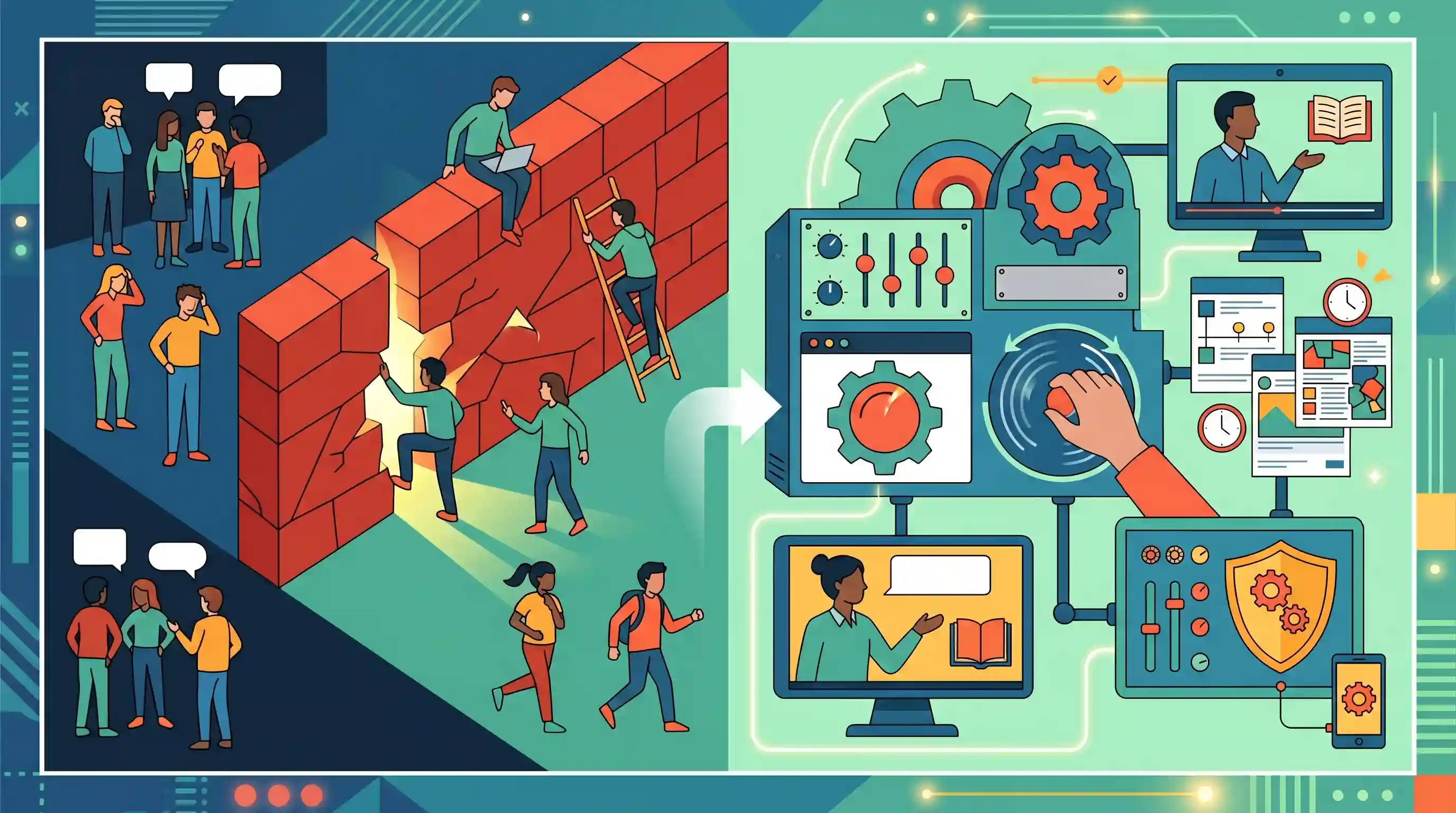
This editorial critiques the growing policy trend of implementing age-based bans on social media access for teenagers, a measure recently enacted by Australia and under active consideration by Indian state and central governments. The article argues that such bans lack empirical support, are easily bypassed by youth, and cut off vulnerable groups from helpful support networks. Instead of policing user access, governments should focus on platform-level regulation, requiring tech firms to practice a 'duty of care' by disabling addictive design interfaces, enforcing chronological feeds for minors, and strengthening digital literacy and parental controls.
Key Points
- The Core Debate: The global debate on addressing social media's impact on teenage mental health centers on whether governments should restrict access (user bans) or mandate platform reform (system regulation).
- The Trend of Age-Bans: Following Australia's 2024 ban on social media access for children aged 16 and below, Indian policymakers, including Prime Minister Narendra Modi, have shown interest in the policy. State governments in Karnataka and Andhra Pradesh have also publicly mulled implementing similar bans.
- Critique of Age-Based Bans: Experts, including psychologists and child-rights scholars, warn that there is a lack of empirical evidence linking age-based bans to better mental health outcomes. Furthermore, 'natural experiments' indicate that around 85% of affected teenagers bypass these bans.
- Complex Causality: The correlation between social media use and mental health struggles is often subject to reverse causation (e.g., depressed teens spending more time online). Prohibitive bans also strip youth of benefits like peer support networks, identity exploration, and access to LGBTQIA+ or mental health communities.
- The Alternative of Platform Regulation: Rather than controlling 'who may enter', the editorial recommends holding tech companies accountable. This includes enforcing a 'duty of care', banning addictive UI/UX elements, mandating chronological feeds for minors, improving parental controls, and introducing digital literacy in schools.
Important Terms
Australia's age-based social media ban (2024)

Legislation enacted via the Online Safety Amendment Act 2024, prohibiting children under 16 from holding social media accounts and penalizing platforms that fail to implement robust age-verification systems.
UPSC context
GS Paper II (International Policies) and GS Paper III (Cybersecurity/Technology), testing comparative analysis of digital regulations.
Government of India
The central authority that regulates the national digital landscape via the Ministry of Electronics and Information Technology (MeitY), implementing frameworks like the DPDP Act 2023.
UPSC context
GS Paper II (Polity/Governance) and GS Paper III (Cybersecurity), testing legislative measures for minor safety and data sovereignty.
Government of Karnataka
The Indian state administration that pioneered sub-national digital protection by proposing a legislative ban on social media use for children under the age of 16 in March 2026.
UPSC context
GS Paper II (Federalism/Governance) and GS Paper III (Cybersecurity), testing state-level policy responses to youth digital addiction.
Government of Andhra Pradesh
The state administration that proposed restricting social media access for children under 13 while pioneering the use of DigiLocker-linked "age tokens" for privacy-preserving verification.
UPSC context
GS Paper II (Governance) and GS Paper III (Cybersecurity), testing innovative state-level technological frameworks for child safety and privacy.
Prelims Trap
State legislatures have the concurrent authority to regulate or ban social media platforms under entries relating to education or public health.
Actually, 'other like forms of communication' falls under Entry 31 of the Union List. States cannot regulate digital intermediaries, making unilateral state-level social media bans constitutionally vulnerable.
Static Concepts Connected
How is legislative competence over digital communication divided under the Indian Constitution?
- Union List Entry 31: Grants Parliament exclusive legislative competence over posts, telegraphs, telephones, wireless, broadcasting, and other like forms of communication, including internet services.
- Pith and Substance: A judicial doctrine used to determine if a state-level law on education or health unconstitutionally encroaches upon the Union's exclusive jurisdiction over communication networks.
How does Section 9 of the DPDP Act, 2023 protect minors' digital data?
- Verifiable Parental Consent: Mandates data fiduciaries to obtain verifiable consent from parents or lawful guardians before processing the personal data of any minor under 18.
- Prohibited Processing Practices: Strictly prohibits tracking, behavioral monitoring, or directing targeted advertisements at children to prevent algorithmic profiling and commercial exploitation.
Cross-Topic Patterns
Digital Federalism and Union List
State-level digital health or education regulations frequently collide with the Centre's exclusive control over communications, raising critical constitutional questions about legislative competence in the cyberspace era.
Mental Health vs. Digital Rights
Balancing state paternalism to curb algorithmic addiction against children's fundamental rights to free expression, digital access, and peer support under Article 19.

Mains 2026 may contrast 'user-focused prohibitions' with 'systemic duty-of-care regulation' for digital minors under DPDP Act 2023.
Linked PYQs · 2
Linked PYQs · 2
- 2025MainsGS2
The National Commission for Protection of Child Rights has to address the challenges faced by children in the digital era. Examine the existing policies and suggest measures the Commission can initiate to tackle the issue.
- 2024MainsGS3
Social media and encrypting messaging services pose a serious security challenge. What measures have been adopted at various levels to address the security implications of social media? Also suggest any other remedies to address the problem.
