भारत में व्यक्तित्व अधिकारों और निजता के अधिकार का विकास
स्रोत:इंडियन एक्सप्रेस ↗
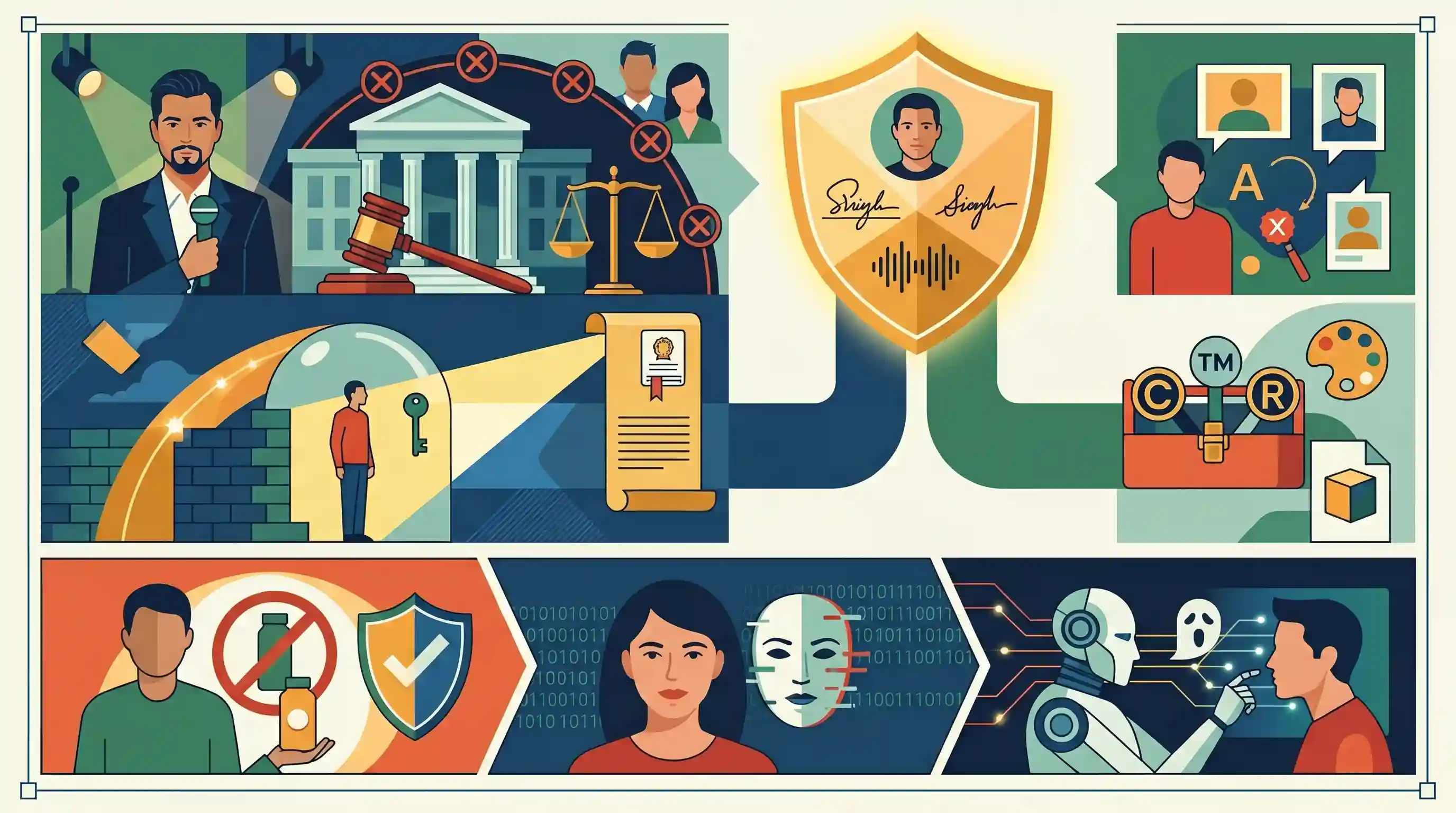
क्यों मायने रखता है
संवैधानिक अधिकारों (निजता का अधिकार) और बौद्धिक संपदा अधिकारों (IPR) का संगम कानूनी विकास का एक महत्वपूर्ण क्षेत्र है। AI और डीपफेक के आगमन के साथ, व्यक्तित्व अधिकार (personality rights) GS2 (राजव्यवस्था और संविधान) और GS3 (IPR और तकनीक) दोनों के लिए अत्यंत प्रासंगिक हैं क्योंकि ये व्यक्तिगत स्वतंत्रता और वाणिज्यिक कानून में उभरती चुनौतियों का समाधान करते हैं।
सारांश
The Delhi High Court recently restrained the unauthorized commercial use of actor R. Madhavan's likeness, highlighting the growing significance of 'personality rights' in India. Personality rights refer to an individual's right to control the commercial exploitation of their identity, including their name, image, and voice. In India, these rights are not governed by a single dedicated law; instead, they have evolved through a combination of the Right to Privacy (recognized as a Fundamental Right under Article 21 post the 2017 Puttaswamy judgment) and Intellectual Property Rights like copyrights and trademarks. The expanding scope of these rights is especially relevant today to combat false endorsements, deepfakes, and AI-driven identity theft.
मुख्य बिंदु
- The Delhi High Court issued an ex-parte interim injunction barring the unauthorized commercial use of actor R. Madhavan's name, image, voice, and likeness.
- Personality rights in India encompass the right to privacy (preventing unauthorized intrusion) and the right to publicity (controlling the commercial exploitation of one's identity).
- These rights are not codified in a single Indian statute but have evolved through judicial interpretation of the Right to Privacy as a Fundamental Right under Article 21 (affirmed in the 2017 Puttaswamy judgment).
- Additional legal backing for personality rights is drawn from Intellectual Property Rights (IPR) frameworks, including the Trade Marks Act 1999 and the Copyright Act 1957.
- अनधिकृत व्यावसायिक शोषण के विरुद्ध सुरक्षा डिजिटल युग में तेजी से महत्वपूर्ण होती जा रही है, विशेष रूप से डीपफेक और AI-जनरेटेड सामग्री के बढ़ते प्रसार के साथ।
महत्वपूर्ण शब्द
Personality Rights

Legal rights of an individual to control the commercial exploitation of their identity, including their name, image, and voice, to prevent unauthorized profit or misrepresentation.
UPSC context
GS-II (Fundamental Rights) and GS-III (IPR). Tests understanding of digital identity and evolving legal frameworks.
Article 21 of the Indian Constitution
जीवन और व्यक्तिगत स्वतंत्रता के अधिकार की गारंटी देता है। न्यायपालिका ने इसकी व्यापक व्याख्या करते हुए इसमें निजता को शामिल किया है, जो भारत में 'पर्सनैलिटी राइट्स' के लिए संवैधानिक आधार बनाता है।
UPSC context
GS-II (Polity)। नागरिक स्वतंत्रता, न्यायिक सक्रियता और मौलिक अधिकारों पर होने वाली बहसों के केंद्र में।
Puttaswamy Judgment (2017)
2017 का सुप्रीम कोर्ट का एक ऐतिहासिक फैसला जिसने सर्वसम्मति से निजता के अधिकार को भारतीय संविधान के तहत, विशेष रूप से अनुच्छेद 21 के दायरे में, एक मौलिक अधिकार घोषित किया।
UPSC context
GS-II (Judiciary). निजता, डेटा संरक्षण और संवैधानिक कानून से संबंधित प्रश्नों के लिए एक अत्यंत महत्वपूर्ण ऐतिहासिक मामला।
निजता का अधिकार
An intrinsic part of Article 21 that allows individuals to control personal information and affairs, serving as a shield against unauthorized public representation of their persona.
UPSC context
GS-II (मौलिक अधिकार)। डेटा संरक्षण, निगरानी और व्यक्तिगत स्वायत्तता जैसे विषयों के लिए मौलिक।
पब्लिसिटी का अधिकार
व्यक्तित्व अधिकारों का एक विशिष्ट पहलू जो किसी व्यक्ति के नाम या उसकी छवि के अनधिकृत व्यावसायिक उपयोग को रोकता है, तथा किसी व्यक्ति के व्यक्तित्व (persona) को एक संरक्षित संपत्ति हित के रूप में मानता है।
UPSC context
GS-III (IPR). Relevant for understanding how law balances commercial interests with individual identity rights.
Copyright Act, 1957
मौलिक रचनात्मक कार्यों को संरक्षण प्रदान करने वाला कानून। धारा 38 और 57 "performers' rights" और "moral rights" प्रदान करती हैं, जिनका उपयोग हस्तियां (celebrities) अपने प्रदर्शन या अपनी छवि (likeness) के अनधिकृत शोषण को रोकने के लिए करती हैं।
UPSC context
GS-III (बौद्धिक संपदा अधिकार)। रचनाकारों और कलाकारों के लिए वैधानिक संरक्षण के ज्ञान का परीक्षण करता है।
Trade Marks Act, 1999
ब्रांड संरक्षण को नियंत्रित करने वाला कानून। यह मशहूर हस्तियों को अपने नाम या हस्ताक्षर को 'marks' के रूप में पंजीकृत करने की अनुमति देता है ताकि दूसरों को गलत व्यावसायिक जुड़ाव या विज्ञापनों (endorsements) को दर्शाने से रोका जा सके।
UPSC context
GS-III (Economy/IPR). Focuses on protection of brands and personal identifiers in global commerce.
प्रारंभिक ट्रैप
Personality rights in India are explicitly codified under the Intellectual Property Rights framework.
भारत में व्यक्तित्व अधिकार असंहिताबद्ध हैं। ये निजता के अधिकार (अनुच्छेद 21) से व्युत्पन्न एक न्यायिक व्याख्या हैं और IPR कानूनों द्वारा अप्रत्यक्ष रूप से समर्थित हैं।
संबंधित अवधारणाएँ
पुट्टास्वामी निर्णय (2017) ने अनुच्छेद 21 को किस प्रकार नया आकार दिया?
- Fundamental Right: Elevated the Right to Privacy to a fundamental right intrinsic to Life and Personal Liberty under Article 21.
- आनुपातिकता का परीक्षण: Established that any State intrusion into privacy must satisfy legality (a law), legitimate state aim (need), and proportionality.
भारत में कॉपीराइट और ट्रेडमार्क किस प्रकार भिन्न हैं?
- कॉपीराइट अधिनियम 1957: Protects original literary, dramatic, and artistic works. It notably grants 'performer's rights' to actors, singers, and musicians, preventing unauthorized recordings.
- ट्रेड मार्क्स अधिनियम 1999: Protects names, logos, or catchphrases used to distinguish goods and services in commerce, preventing unauthorized commercial endorsements.
अंतर-विषय पैटर्न
Deepfakes और IT नियम 2021
AI-संचालित पहचान की चोरी (identity theft) व्यक्तित्व अधिकारों (personality rights) को IT Rules 2021 से जोड़ती है, जो मध्यवर्तियों (intermediaries) के लिए उपयोगकर्ता की शिकायत के 24 घंटों के भीतर प्रतिरूपण (impersonating) या मॉर्फ्ड सामग्री को हटाना अनिवार्य बनाती है।
DPDP Act 2023 privacy overlap
जहाँ personality rights पहचान के व्यावसायिक शोषण से सुरक्षा प्रदान करते हैं, वहीं DPDP Act 2023 व्यक्तिगत डेटा के प्रसंस्करण (processing) को विनियमित करता है, और ये दोनों मिलकर भारत के व्यापक सूचनात्मक गोपनीयता पारिस्थितिकी तंत्र (informational privacy ecosystem) का निर्माण करते हैं।

2026 प्रीलिम्स में अनुच्छेद 21 निजता, IPR ओवरलैप और मरणोपरांत व्यक्तित्व अधिकारों की असंहिताबद्ध प्रकृति को एक प्रश्न में शामिल किया जा सकता है।
संबद्ध PYQ · 5
संबद्ध PYQ · 5
- 2024MainsGS2
Right to privacy is intrinsic to life and personal liberty and is inherently protected under Article 21 of the constitution. Explain. In this reference discuss the law relating to D.N.A. testing of child in the womb to establish its paternity.
- 2017MainsGS2
Examine the scope of Fundamental Rights in the light of the latest judgement of the Supreme Court on Right to Privacy.
- 2024PrelimsGS1
Under which of the following Articles of the Constitution of India, has the Supreme Court of India placed the Right to Privacy ?
- 2021PrelimsGS1
'Right to Privacy' is protected under which Article of the Constitution of India?
- 2018PrelimsGS1
Right to Privacy is protected as an intrinsic part of Right to Life and Personal Liberty. Which of the following in the Constitution of India correctly and appropriately imply the above statement?
