CPCB Inspection Reveals Untreated Sewage in Yamuna Drains
Source:timesofindia-indiatimes ↗
Why It Matters
It highlights governance and infrastructure deficits in urban river pollution management, a core focus area for environmental protection and statutory bodies like the CPCB in UPPSC and UPSC exams.
Summary
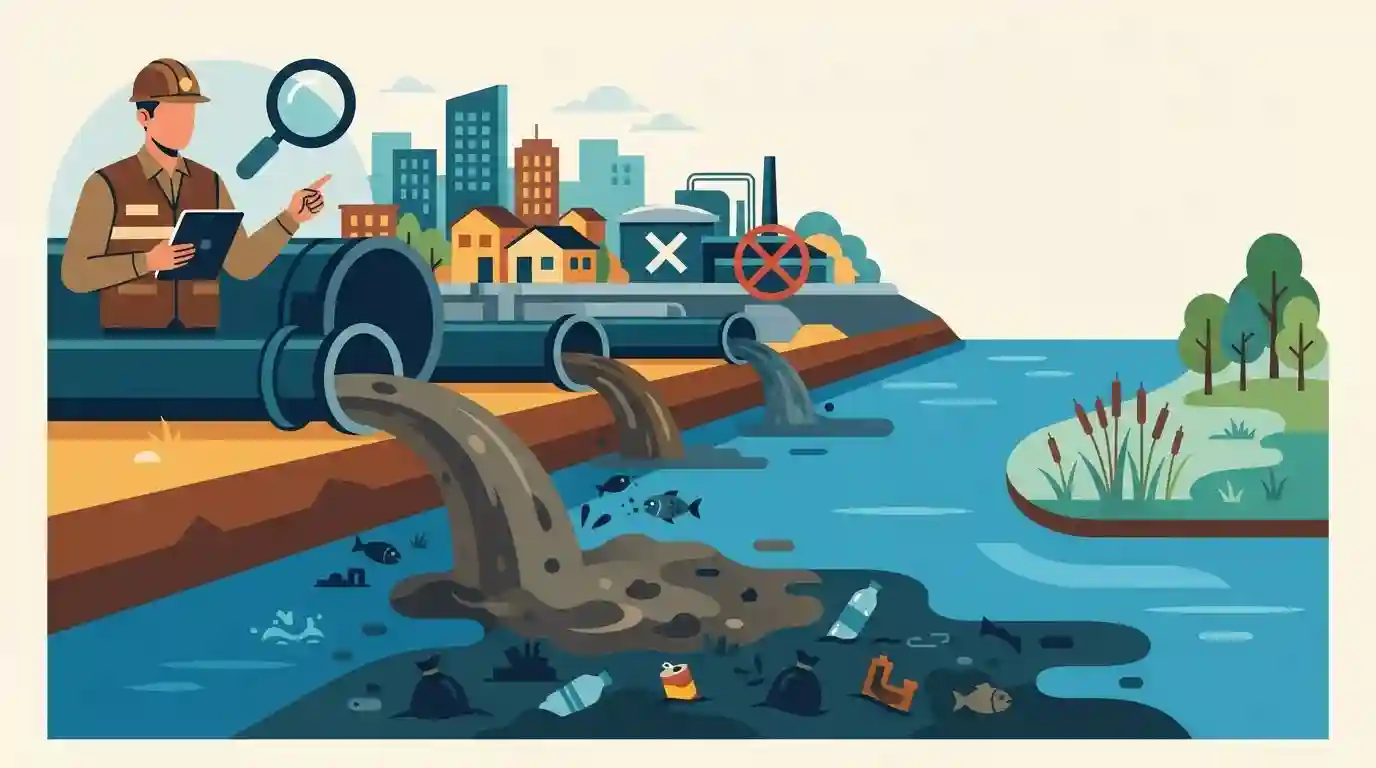
An inspection by the Central Pollution Control Board (CPCB) of major drains emptying into the Yamuna River uncovered massive quantities of untreated sewage and solid waste, highlighting critical failures in pollution control and urban waste management systems.
Key Points
- The Central Pollution Control Board (CPCB) inspection of major drains flowing into the Yamuna River revealed widespread dumping of solid waste and discharge of untreated sewage.
- The findings underscore severe gaps in municipal sewage treatment infrastructure and municipal waste management in the National Capital Region.
- Continuous untreated effluent discharge significantly impacts river water quality, elevating biological oxygen demand (BOD) and damaging aquatic ecosystems.
Important Terms
Central Pollution Control Board (CPCB)

A statutory apex body established in 1974 under the Water (Prevention and Control of Pollution) Act to promote cleanliness of streams and wells, advise the central government, and coordinate state boards.
UPSC context
UPSC GS Paper III (Environment & Ecology); tests statutory bodies, pollution monitoring mechanisms, and enforcement of environmental standards.
Water (Prevention and Control of Pollution) Act
Enacted in 1974 to prevent and control water pollution and restore the wholesomeness of water bodies, establishing the institutional framework of CPCB and SPCBs.
UPSC context
UPSC GS Paper III (Environmental Pollution & Degradation); tests core legislative frameworks, regulatory mechanisms, and legal provisions for water conservation.
Static Concepts Connected
What are the statutory powers and functions of the Central Pollution Control Board (CPCB) under Indian environmental law?
- Statutory Origin: Statutory Origin: Constituted in September 1974 under the Water (Prevention and Control of Pollution) Act, 1974.
- Core Functions: Core Functions: Advises the Central Government on water and air pollution, coordinates state boards, and disseminates pollution data.
- Air Quality: Air Quality: Entrusted with powers and functions under the Air (Prevention and Control of Pollution) Act, 1981.
Cross-Topic Patterns
Urban Local Bodies + River Pollution
Urban river pollution like the Yamuna drains directly links municipal local governance failures under the 74th Constitutional Amendment to environmental law enforcement.
BOD Metrics + Public Health Policy
High BOD and low DO levels in metropolitan drains connect water pollution mandates with public health indicators in state planning.

CPCB statutory functions under the Water Act and major Yamuna pollution hotspots like Najafgarh drain are frequent match-the-column targets.
Linked PYQs · 3
Linked PYQs · 3
- 2022UPPSC_PRELIMSGS1
The main purpose of 'Ganga Action Plan' project, launched in 1985, was
- 2025UPPSC_PRELIMSGS1
Which of the following prepared the Annual Groundwater Quality Report 2024 ? 1. Central Pollution Control Board 2. Central Water Commission 3. Central Groundwater Board Select the correct answer from the code given below :
- 2023UPPSC_PRELIMSGS1
Biological Oxygen Demand (BOD) is a standard criteria for -
