Pathophysiology and Risk Factors of Vascular Aneurysms
Source:The Hindu ↗
Why It Matters
Understanding the pathophysiology of non-communicable and cardiovascular diseases like aneurysms is crucial for answering Prelims questions on human biology and general science. It also provides context for Mains answers on the shifting burden of disease in India, the impact of increased life expectancy, and the need for advanced healthcare infrastructure.
Summary
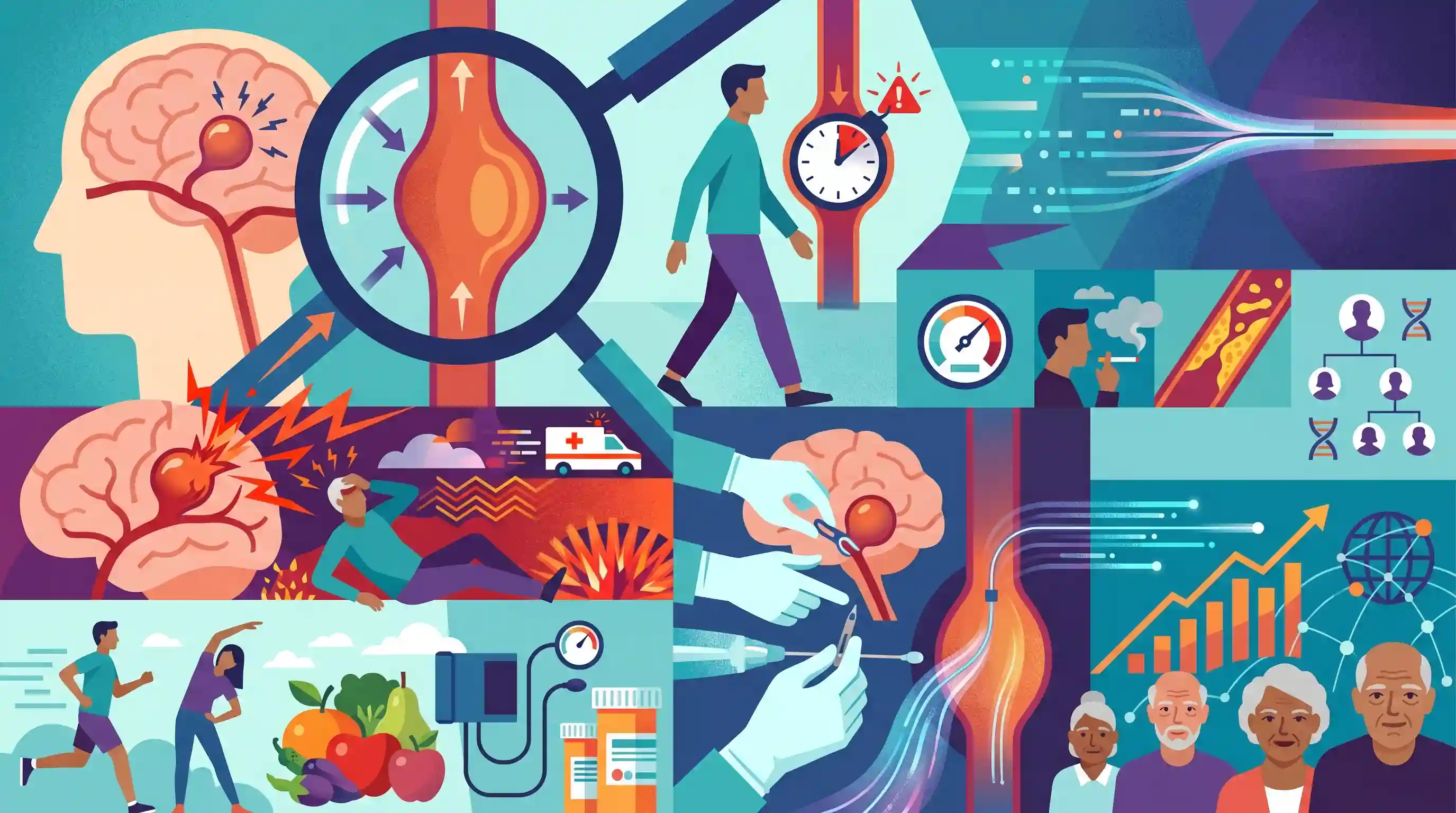
An aneurysm is an abnormal bulge in the wall of a blood vessel, forming when blood pressure forces a weakened section of the vessel outward. While they can occur anywhere in the body, they are most common and critical in the brain (cerebral aneurysms) and the aorta (aortic aneurysms). Because they typically present no symptoms until they rupture or grow large enough to press on nerves, they are often termed "silent killers." A ruptured aneurysm is a medical emergency that leads to severe internal bleeding, hemorrhagic stroke, or death. Key risk factors include hypertension, smoking, atherosclerosis, and family history. Preventive measures involve managing blood pressure and lifestyle changes, while surgical options such as clipping or endovascular coiling are used to treat high-risk or ruptured aneurysms. The condition highlights the growing burden of non-communicable diseases and cardiovascular health challenges in an aging population.
Key Points
- An aneurysm is a localized, abnormal bulge or ballooning in the wall of a weakened blood vessel due to blood pressure.
- The most critical aneurysms occur in the brain (cerebral aneurysms) and the main artery leading from the heart (aortic aneurysms).
- Aneurysms are often "silent killers" presenting no symptoms until they rupture, which causes massive, life-threatening internal bleeding or hemorrhagic strokes.
- Major risk factors include high blood pressure, atherosclerosis, genetic predisposition, and lifestyle factors such as smoking.
- Treatment depends on the aneurysm's size and location, ranging from blood pressure management to surgical interventions like microvascular clipping and endovascular coiling.
Prelims Trap
An aneurysm is a blood clot that blocks arteries, leading to an ischemic stroke.
An aneurysm is a bulge in a weakened blood vessel, not a clot. Its rupture causes massive bleeding (hemorrhagic stroke), unlike clots which cause blockages (ischemic strokes).
Static Concepts Connected
What is the difference between Ischemic and Hemorrhagic strokes?
- Ischemic Stroke: Caused by a blocked artery (via blood clots like thrombosis or embolism) that cuts off blood supply to the brain. It is the most common type of stroke.
- Hemorrhagic Stroke: Caused by a ruptured blood vessel (such as an aneurysm) that leaks blood directly into or around the brain, creating damaging pressure.
What is India's flagship initiative to tackle cardiovascular and lifestyle diseases?
- NP-NCD: The National Programme for Prevention and Control of Non-Communicable Diseases focuses on early diagnosis and management of conditions like cardiovascular diseases, stroke, cancer, and diabetes.
- Key Risk Factors: Tobacco use, unhealthy diet, physical inactivity, and harmful alcohol use are recognized as the primary modifiable behavioral drivers of India's NCD burden.
Cross-Topic Patterns
Aging demographics and disease burden
As India's life expectancy increases, the epidemiological transition shifts the healthcare burden from infectious diseases to NCDs like cardiovascular ailments, heavily straining tertiary healthcare and demanding geriatric care focus.
Import dependence in medical devices
Advanced treatments like endovascular coiling and microvascular clipping rely on specialized stents and devices. This highlights India's heavy import dependence in the medical devices sector, a key target for 'Make in India' initiatives.

Expect a match-the-following on stroke types (ischemic vs hemorrhagic) or cardiovascular terms (aneurysm, thrombosis, embolism) in 2026.
Linked PYQs · 3
Linked PYQs · 3
- 2024PrelimsGS1
Which one of the following is synthesised in human body that dilates blood vessels and increases blood flow?
- 2022MainsGS3
The increase in life expectancy in the country has led to newer health challenges in the community. What are those challenges and what steps need to be taken to meet them?
- 2024MainsGS2
In a crucial domain like the public healthcare system the Indian State should play a vital role to contain the adverse impact of marketisation of the system. Suggest some measures through which the State can enhance the reach of public healthcare at the grassroots level.
