Generative AI Shift in Social Media Influence and Ethics
Source:Indian Express ↗
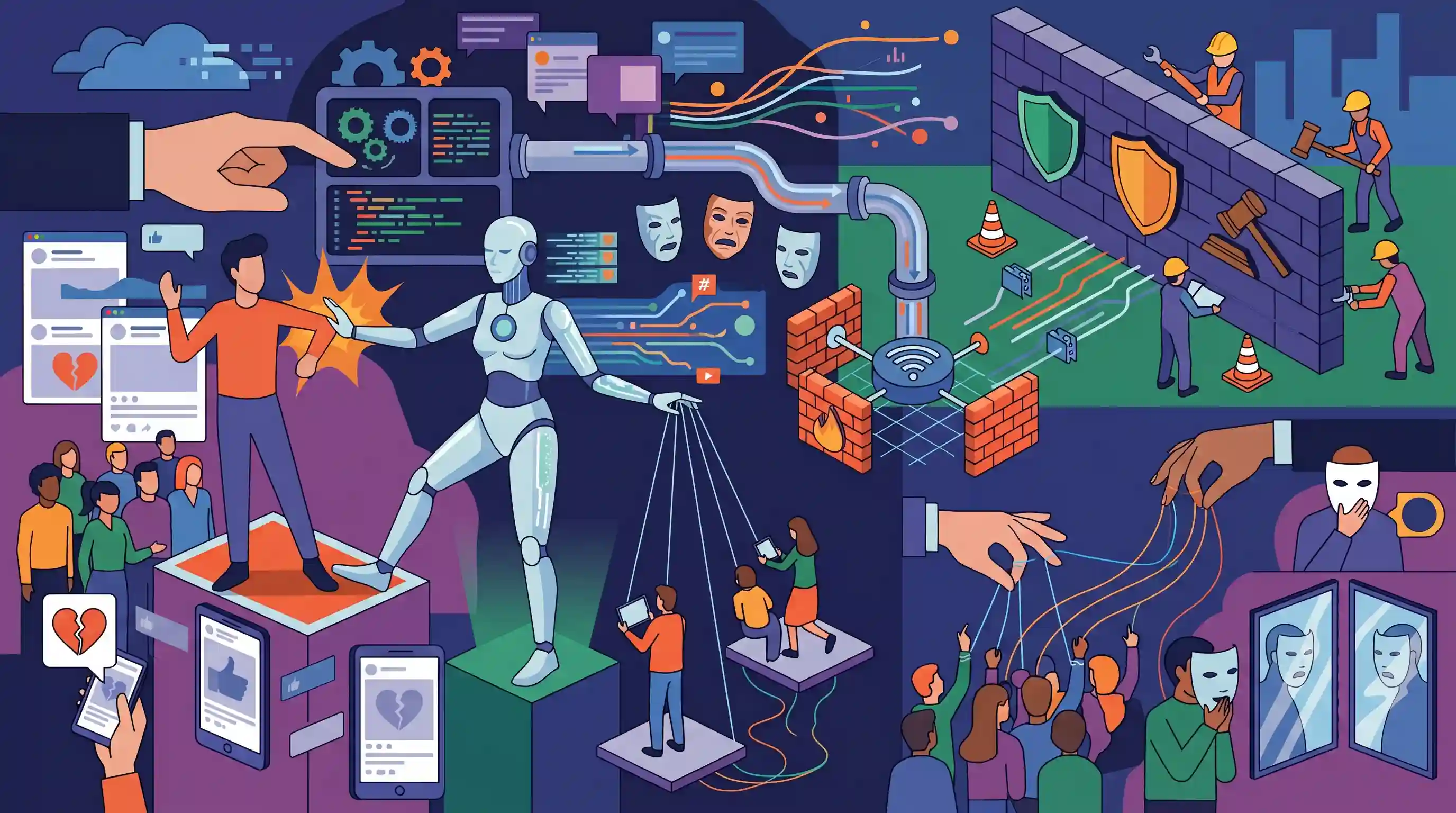
Why It Matters
The displacement of human influencers by AI touches upon the disruptive economic effects of generative AI, the ethical dilemmas of artificial authenticity, and the potential security threats stemming from the algorithmic manipulation of public opinion.
Summary
The article highlights the growing trend of Artificial Intelligence replacing humans as the primary influencers on social media platforms. With the advancement of generative AI, virtual influencers and AI-generated content can now engage audiences as effectively as real people. This transition from human to machine-driven influence raises critical ethical concerns about authenticity, emotional manipulation, and transparency. Furthermore, it presents new challenges in combating misinformation, deepfakes, and algorithmic bias, emphasizing the need for robust regulatory measures to govern AI's impact on public discourse, consumer behavior, and internal security.
Key Points
- The rise of generative AI and virtual influencers is fundamentally altering the landscape of social media, shifting the dynamics of digital influence from humans to machines.
- AI-generated content is displacing traditional human content creators, raising critical questions about the future of creative professions and human agency.
- This transition introduces significant ethical concerns regarding authenticity, transparency, and the emotional manipulation of audiences by non-human entities.
- From a security perspective, AI-driven influence can be weaponized to generate deepfakes, disseminate propaganda, and spread misinformation at scale, complicating the regulation of social media.
- There is a pressing need for robust regulatory frameworks to govern AI's impact on public discourse, ensure accountability for algorithmic influence, and protect consumer interests.
Prelims Trap
India governs AI and deepfakes through a dedicated, standalone Artificial Intelligence Regulation Act.
India does not have a standalone AI Act. Deepfakes and AI-generated misinformation are currently regulated through the Information Technology Act, 2000, and the IT Rules, 2021.
Static Concepts Connected
What are the core ethical dimensions of AI-generated influence and algorithmic bias?
- Algorithmic Accountability: Developers and deployers must be held responsible for the outcomes, decisions, and biases produced by their AI systems.
- Transparency Deficit: Failing to disclose AI origins deceives users, violating their right to informed consent and authentic digital interaction.
- Emotional Manipulation: AI avatars can be engineered to exploit human psychology for commercial or political gains without any inherent moral constraints.
How do the IT Rules, 2021 tackle synthetically generated information (deepfakes)?
- Due Diligence: Social media intermediaries must explicitly prohibit users from hosting, modifying, or sharing deepfakes and misinformation in their terms of use.
- Safe Harbour Loss: Non-compliance revokes intermediary immunity under Section 79 of the IT Act, exposing platforms to direct legal liability for user content.
- Prompt Takedown: Platforms must remove impersonating, synthetic, or artificially morphed content within 24 hours of receiving a legitimate user complaint.
Cross-Topic Patterns
AI and Cognitive Warfare
Deepfakes and AI influencers enable non-state actors to manipulate public perception at scale, shifting cybersecurity threats from network hacking to human mind hacking (cognitive warfare).
Generative AI and Structural Unemployment
While previous automation hit blue-collar jobs, generative AI threatens white-collar and creative gig workers, creating a new wave of structural unemployment that demands urgent re-skilling policies.

Expect a 2026 GS3/GS4 question linking AI influencers to 'cognitive warfare', deepfakes, and the ethics of algorithmic empathy.
Linked PYQs · 4
Linked PYQs · 4
- 2024MainsGS4
The application of Artificial Intelligence as a dependable source of input for administrative rational decision-making is a debatable issue. Critically examine the statement from the ethical point of view.
- 2025MainsGS4
In the present digital age, social media has revolutionised our way of communication and interaction. However, it has raised several ethical issues and challenges. Describe the key ethical dilemmas in this regard.
- 2024MainsGS3
Social media and encrypting messaging services pose a serious security challenge. What measures have been adopted at various levels to address the security implications of social media? Also suggest any other remedies to address the problem.
- 2016MainsGS3
Use of Internet and social media by non-state actors for subversive activities is a major security concern. How have these been misused in the recent past? Suggest effective guidelines to curb the above threat.
