Ethical concerns and algorithmic bias in automated decision making
Source:Indian Express ↗
Why It Matters
The ethical implications of Artificial Intelligence are a highly relevant UPSC topic, having been directly asked in recent GS3 and GS4 Mains examinations. Understanding algorithmic bias is crucial for analyzing the limitations of relying on technology for rational administrative decision-making.
Summary
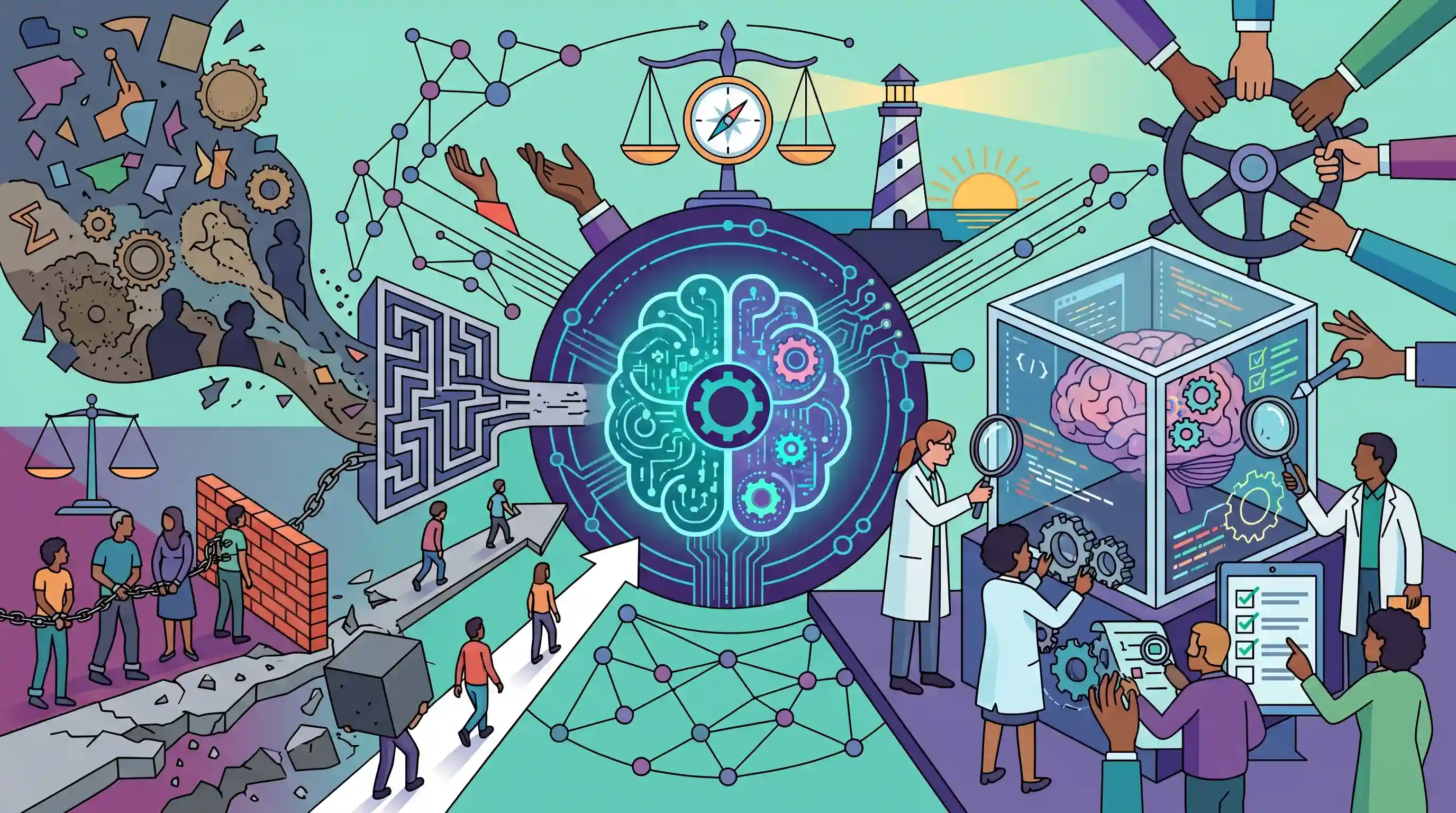
The article highlights the ethical risks associated with the rapid adoption of Artificial Intelligence, specifically focusing on the hidden dangers of algorithmic bias in automated decision-making. It emphasizes that while AI offers immense potential, its reliance on historical data can perpetuate societal prejudices, leading to unfair and discriminatory outcomes. The piece underlines the necessity for greater transparency, accountability, and ethical oversight in AI development to ensure these technologies are used responsibly and do not disproportionately impact vulnerable populations.
Key Points
- Algorithmic Bias: AI and automated decision-making systems can internalize and amplify human biases present in their training data, leading to discriminatory outcomes.
- Ethical Risks: The deployment of AI in critical areas such as healthcare, criminal justice, or hiring raises significant ethical concerns regarding fairness, justice, and accountability.
- Lack of Transparency: Automated systems often operate as 'black boxes,' making it difficult to audit how specific administrative or business decisions are reached.
- Need for Governance: There is a pressing need for robust ethical guidelines, transparency mandates, and regulatory frameworks to ensure AI is deployed responsibly without harming marginalized communities.
Prelims Trap
The Bletchley Declaration is a legally binding UN treaty regulating Artificial Intelligence globally.
It is a voluntary, non-binding agreement signed by 28 nations (including India) focused on extreme frontier AI risks, not a legally binding UN framework.
Static Concepts Connected
What are the core principles of Responsible AI as outlined by NITI Aayog?
- Equality & Non-discrimination: Ensuring AI models do not internalize or amplify societal prejudices and historic biases.
- Privacy & Security: Safeguarding personal data used in training models and ensuring secure, predictable system behavior.
- Inclusivity: Mandating the '#AIforAll' approach to ensure technological advancements benefit marginalized communities rather than excluding them.
- Accountability: Creating mechanisms to audit AI decisions and assigning liability for the outcomes of automated systems.
What is the 'Black Box' problem in Machine Learning?
- Algorithmic Opacity: Deep learning algorithms often operate with internal reasoning processes that are invisible to human developers.
- Auditability Challenges: It makes auditing specific automated decisions (like credit rejection or hiring) nearly impossible, undermining transparency.
- Accountability Deficit: The lack of transparency creates legal hurdles in establishing the 'Responsibility Gap' when AI fails.
Cross-Topic Patterns
DPDP Act vs Algorithmic Training
The DPDP Act intersects with AI ethics, as large language models require vast personal data. Current consent mechanisms struggle against AI's massive data-scraping realities, challenging constitutional privacy rights.
AI in Criminal Justice Systems
Automated predictive policing systems directly link GS2 (Governance) and GS4 (Ethics), raising critical questions about algorithmic bias violating fundamental rights under Articles 14 (Equality) and 21 (Life and Liberty).

Algorithmic bias and the 'Responsibility Gap' will likely feature in GS4 case studies or a GS2 question on digital governance in 2026.
Linked PYQs · 3
Linked PYQs · 3
- 2024MainsGS4
The application of Artificial Intelligence as a dependable source of input for administrative rational decision-making is a debatable issue. Critically examine the statement from the ethical point of view.
- 2023MainsGS3
Introduce the concept of Artificial Intelligence (AI). How does Al help clinical diagnosis? Do you perceive any threat to privacy of the individual in the use of Al in healthcare?
- 2020PrelimsGS1
With the present state of development, Artificial Intelligence can effectively do which of the following? 1. Bring down electricity consumption in industrial units 2. Create meaningful short stories and songs 3. Disease diagnosis 4. Text-to-Speech Conversion 5. Wireless transmission of electrical energy Select the correct answer using the code given below:
