Mango Diet Intervention Improves Glycaemic Control in Diabetics
Source:The Hindu ↗
Why It Matters
With India experiencing a rapid rise in lifestyle diseases and often being referred to as the 'diabetes capital of the world,' evidence-based nutritional science is critical for public health policy. This study provides a paradigm shift in dietary recommendations for NCD management, relevant to GS-2 (Health) and GS-3 (Science & Technology / Changing Health Challenges).
Summary
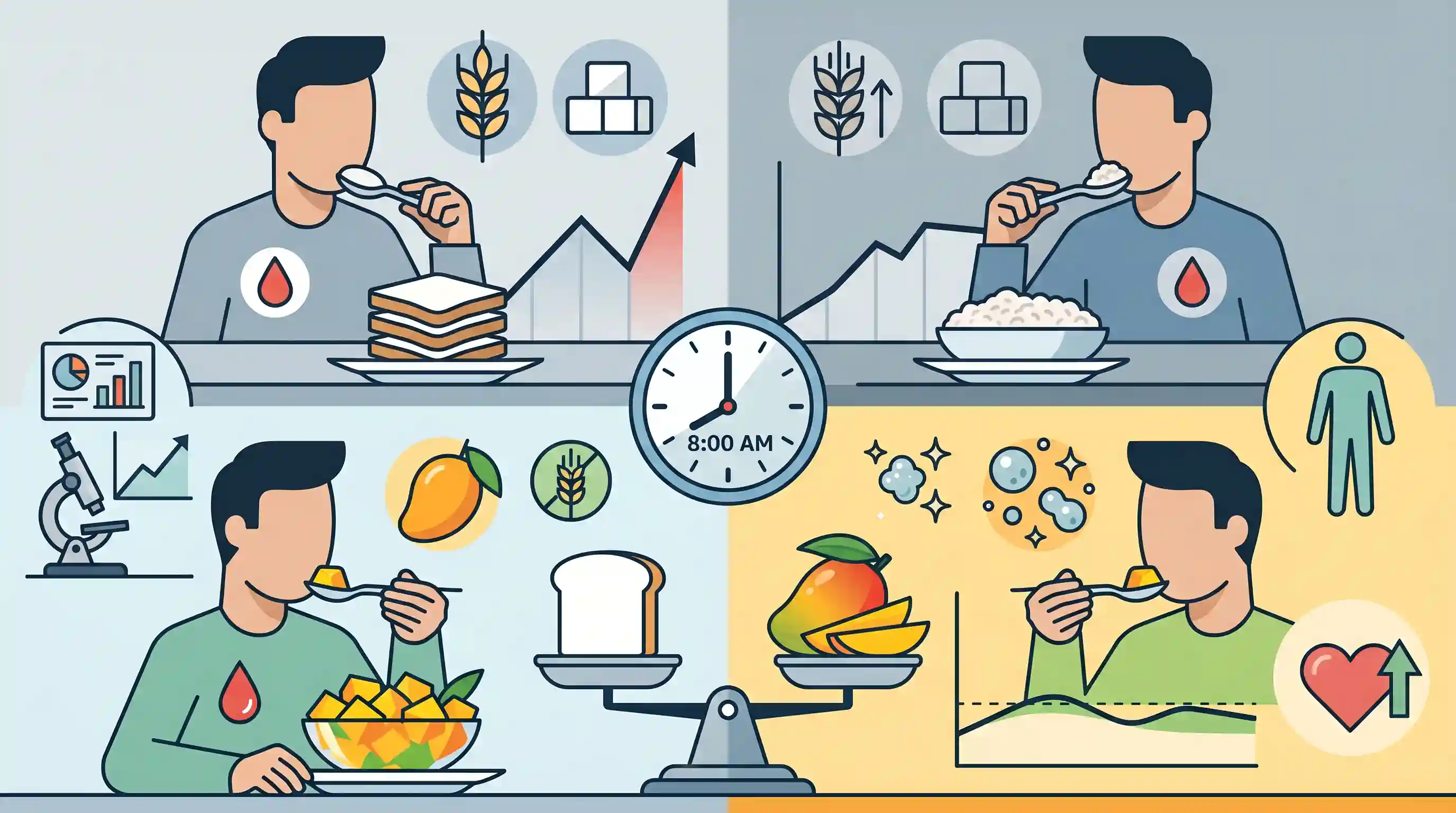
A recent study has demonstrated that consuming 250 grams of mangoes instead of bread for breakfast can lead to improved glycaemic control in diabetic patients. This challenges the widespread belief that diabetics must entirely avoid sweet fruits like mangoes. The research suggests that the natural sugars in mangoes, when consumed in moderation and accompanied by the fruit's inherent fibre and micronutrients, result in a more favourable blood sugar response compared to the refined carbohydrates found in bread. The findings highlight the significant role of nutrition science and whole-food-based dietary interventions in the management of lifestyle diseases.
Key Points
- A clinical study found that substituting bread with 250 grams of mangoes for breakfast led to better glycaemic control in individuals with diabetes.
- The findings challenge the conventional dietary advice that strictly prohibits sweet fruits like mangoes for diabetics, highlighting the difference between natural fruit sugars and processed carbohydrates.
- Mangoes contain dietary fibre, vitamins, and antioxidants that modulate sugar absorption, unlike refined carbohydrates like bread which cause rapid blood sugar spikes.
- The study underscores the importance of evidence-based dietary interventions and whole foods in managing non-communicable diseases (NCDs) like diabetes.
Prelims Trap
"Fructose, the primary sugar in sweet fruits, causes a sharper immediate blood sugar spike than glucose."
Fructose actually has a lower Glycaemic Index than glucose. It is metabolised differently in the liver and does not cause immediate, sharp spikes.
Static Concepts Connected
What is the difference between Glycaemic Index (GI) and Glycaemic Load (GL)?
- Glycaemic Index (GI): Ranks carbohydrates on a scale (0-100) based on how quickly they raise blood glucose levels after eating.
- Glycaemic Load (GL): Factors in both the GI and the actual quantity of carbohydrates in a typical serving size, giving a more accurate real-world impact.
- Health Impact: Foods with lower GI/GL (like whole fruits) release sugar slowly due to fibre, preventing rapid insulin spikes associated with refined carbs.
What drives India's rising Non-Communicable Disease (NCD) burden?
- Epidemiological Transition: A shift from infectious/communicable diseases to lifestyle diseases, which now account for roughly 63-65% of all mortality in India.
- Dietary Shift: Increased consumption of ultra-processed foods, refined carbohydrates, and sedentary urban lifestyles fuel diabetes and cardiovascular conditions.
- Loss of Micronutrients: The presence of protective bio-active compounds (like Mangiferin) and dietary fibre in whole foods is stripped during industrial food refining.
Cross-Topic Patterns
Whole foods vs. Biofortification policies
While India pushes biofortified crops to solve hidden hunger, managing the NCD epidemic increasingly relies on shifting consumption back to natural, unprocessed whole foods rather than refined staples.
PDS reform and nutritional security
The historical dominance of refined wheat and rice in the PDS fuels India's carbohydrate-heavy diets. This drives the current policy push toward millets (Shree Anna) to improve population glycaemic outcomes.

Expect a Science question distinguishing between Glycaemic Index, Fructose vs Glucose metabolism, and dietary fibre's role in NCDs.
Linked PYQs · 2
Linked PYQs · 2
- 2022MainsGS3
The increase in life expectancy in the country has led to newer health challenges in the community. What are those challenges and what steps need to be taken to meet them?
- 2021MainsGS2
“Besides being a moral imperative of a Welfare State, primary health structure is a necessary precondition for sustainable development.” Analyze.
